news
Share
‘My decision to make not theirs…’ The women sterilised by the state in the 90s
Published 00:04 2 Apr 2017 BST
Updated 12:17 2 Apr 2017 BST
 Add us as a preferred source on Google »
It's an unimaginable situation: a state-sanctioned sterilisation programme.
But that's what happened in Peru in the late 1990s... and more and more people - especially women - are now speaking out.
Shockingly, without her knowledge Victoria Vigo was sterilised following an emergency caesarian in 1996. "I wanted to have more children, but that choice was taken away from me without my permission - that was my decision to make not theirs," she told the BBC.
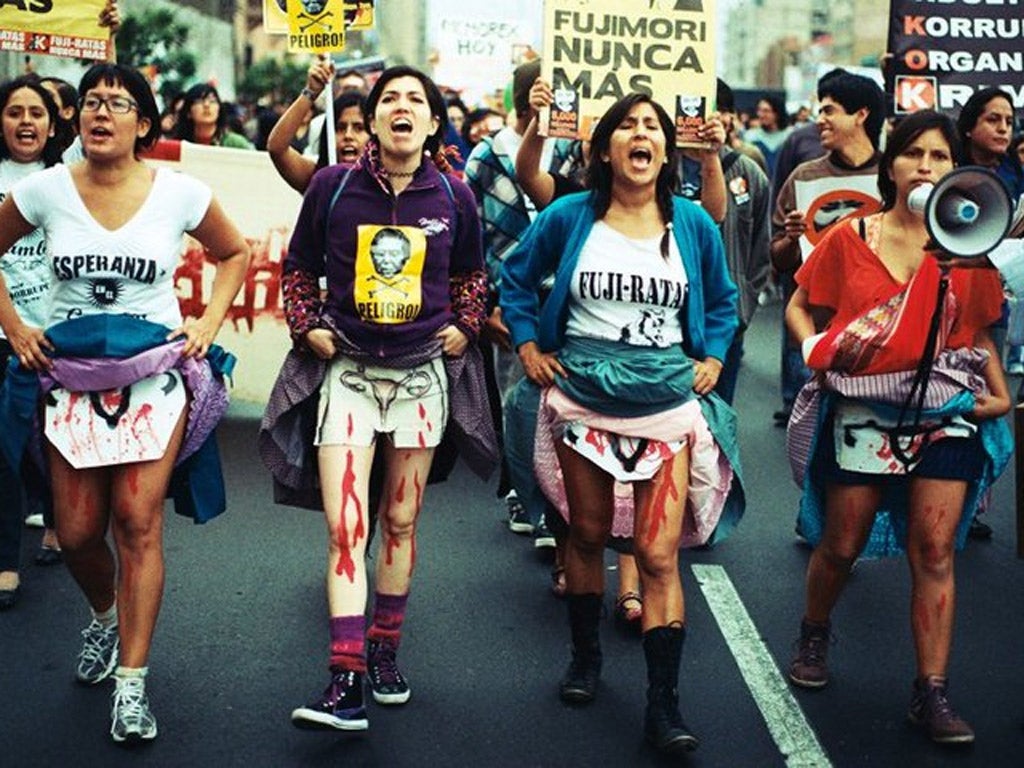
 Ms Vigo fought hard to have her voice heard, and was awarded around €2,350 in compensation in 2003. To date, she is the only person in Peru to have been given compensation for being sterilised against her will.
"The men and women targeted under the sterilisation programme were usually poor, indigenous Quechua-speakers, many of whom signed a piece of paper written in Spanish that they didn't understand," furthermore explains the BBC.
Launching the scheme, President Fujimori said it would give poorer men and women access to better contraception. In reality, however, the implementation was far more devastating and brutal.
Ms Vigo fought hard to have her voice heard, and was awarded around €2,350 in compensation in 2003. To date, she is the only person in Peru to have been given compensation for being sterilised against her will.
"The men and women targeted under the sterilisation programme were usually poor, indigenous Quechua-speakers, many of whom signed a piece of paper written in Spanish that they didn't understand," furthermore explains the BBC.
Launching the scheme, President Fujimori said it would give poorer men and women access to better contraception. In reality, however, the implementation was far more devastating and brutal.
 "The nurses or medical personnel came looking for women in their houses... some women were even sterilised while pregnant," explains Rosemarie Lerner, director of the Quipu project, which helps people like Victoria Vigo.
The organisation says 272,000 women and 21,000 men were sterilised in the late 90s in Peru.
The Quipu project furthermore claims some people were offered food or medicine in return for being sterilised. Some of the operations were carried out without general anaesthetic and have left women so badly injured they are unable to work.
The former President Fujimori was outed from power in 2000 and is currently serving a 25-year prison sentence for embezzlement and human rights abuses committed during his decade-long time in office.
"The nurses or medical personnel came looking for women in their houses... some women were even sterilised while pregnant," explains Rosemarie Lerner, director of the Quipu project, which helps people like Victoria Vigo.
The organisation says 272,000 women and 21,000 men were sterilised in the late 90s in Peru.
The Quipu project furthermore claims some people were offered food or medicine in return for being sterilised. Some of the operations were carried out without general anaesthetic and have left women so badly injured they are unable to work.
The former President Fujimori was outed from power in 2000 and is currently serving a 25-year prison sentence for embezzlement and human rights abuses committed during his decade-long time in office.Explore more on these topics: