Share
The negative impact of school closures are “wide and deep” and harmed Irish children
Published 07:30 4 Jan 2022 GMT
Updated 22:45 3 Jan 2022 GMT
 Add us as a preferred source on Google »
A report set to be published next month will document the harm caused to children in Ireland by school closures and lockdowns.
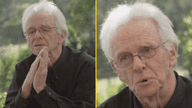
According to Prof Conor O’Mahony of University College Cork’s Child Law Clinic says the evidence consistently shows that “the impact of school closures was not evenly spread; it fell disproportionately on the most marginalised and disadvantaged children”. Speaking to RTÉ’s News at One yesterday, Professor O’Mahony explains that while children have a right to health, a wide range of rights are adversely affected by school closures.“We should be ensuring that we have exhausted every other possibility in terms of the various types of safeguards and mitigations that can be put in place in schools before we look at the option of school closures," O’Mahony said.
“What I am calling on the Government to do is to ensure that that is done rather than relying too readily on school closures and having Ireland again out of line with the international trend in closing our schools for longer than other comparable countries.”
This comes as teachers’ unions in Ireland claim there should be a “delayed and staggered” reopening of schools as a result of the Omicron wave of Covid-19. The Association of Secondary Teachers in Ireland (ASTI) is preparing to meet with public health officials and the Minister of Education today, after claiming there is an 'unease' among unions about the return to school due to the high levels of the disease in the community.Negative impact of school closures are “wide and deep”
Earlier this week the Government’s Special Rapporteur on Child Protection said the negative impact of school closures are “wider and deeper” than missing a few weeks of classes and are not a simple trade-off between education and health.
In a series of posts on Twitter, Professor O’Mahony said:
“I see people advocating for schools to remain closed in January. I can’t help thinking that those people’s position is informed by a view that children in their families/communities will be fine. Maybe they will – but a lot of other children won’t be.”
Outlining the impact of closures on children, Prof O’Mahony said closures affected children’s right to education as online learning cannot replace in-school lessons, especially for children with special needs or in marginalised communities with poor access to technology.
The lack of social interaction and recreational opportunities affected the right to development and the right to play, he said.
“School closures protected physical health but caused significant damage to the mental health of many children – particularly adolescents.
“For some children, the right to protection from violence was seriously compromised. Forced to stay in unsafe homes for extended periods, they were exposed to direct harm from abuse and neglect, and/or indirect harm from witnessing domestic abuse – which increased hugely."
He said schools were a key source of child protection referrals, and closures compromised the ability of social services to identify and respond to children at risk.
Explore more on these topics: