Share
One in five Covid patients develop mental illness within 90 days, study finds
Published 16:35 11 Nov 2020 GMT
 Add us as a preferred source on Google »
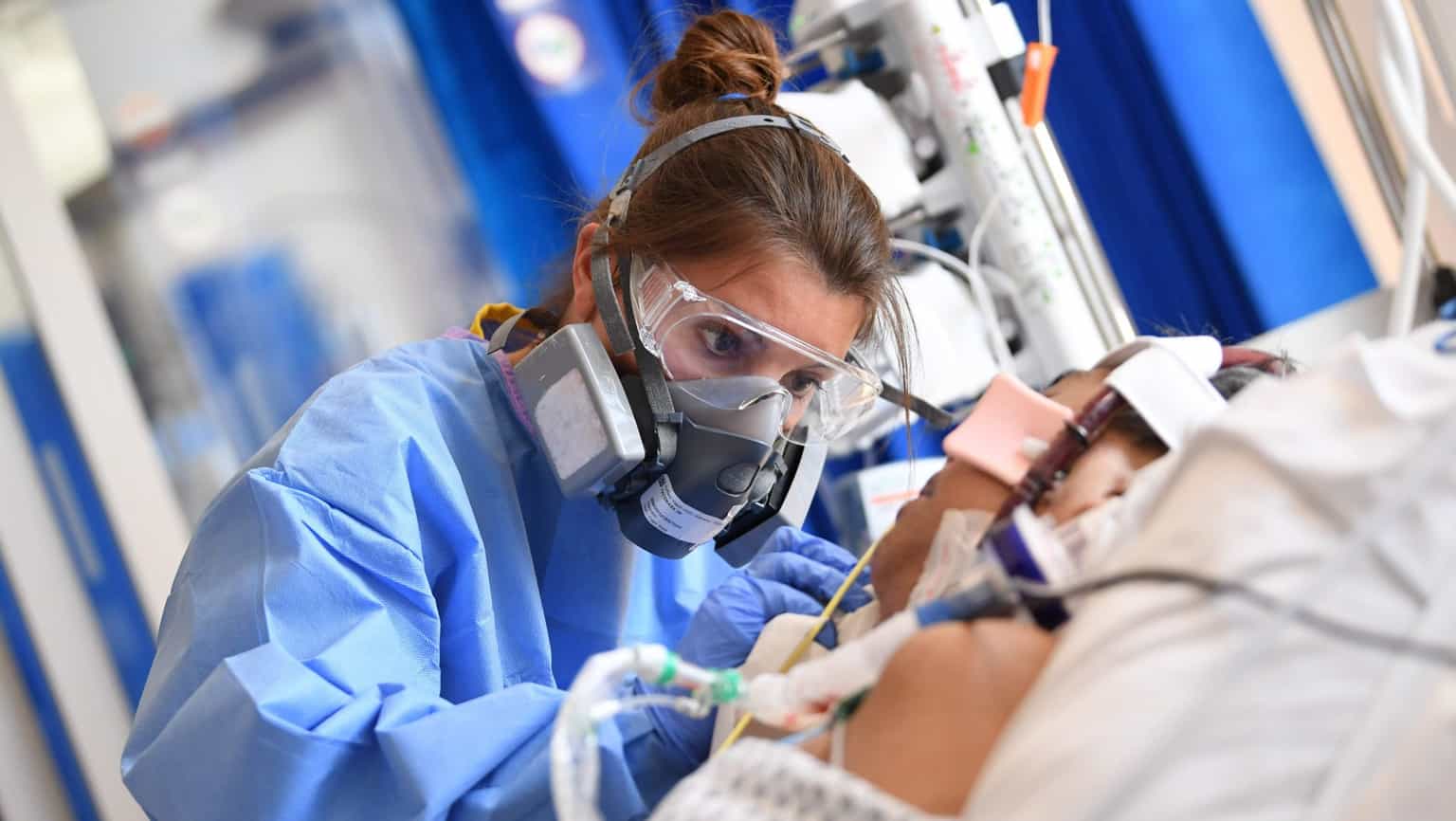
One in five patients are diagnosed with a mental disorder after contracting the virus.
Covid-19 patients are more likely to develop a mental illness, with 20 percent of patients being diagnosed with a psychiatric disorder within 90 days of contracting the virus, a new study has found. The study, conducted by Oxford University and published in the Lancet Psychiatry journal, analysed the health records of 69 million Americans, including 62,000 people infected with Covid-19. The research found that anxiety, depression and insomnia are the most common disorders among recovered patients, who also appear to be at a greater risk of dementia.“People have been worried that Covid-19 survivors will be at greater risk of mental health problems, and our findings ... show this to be likely,” said Paul Harrison, a professor of psychiatry at Oxford.
“(Health) services need to be ready to provide care, especially since our results are likely to be underestimates (of the number of psychiatric patients),” he added.
The study also found that people with a pre-existing mental illness were 65% more likely to be diagnosed with Covid-19 than those with no history of mental illness, adding to the growing evidence that the virus can affect the brain on top of its more broadly known effects on the lungs.“This is likely due to a combination of the psychological stressors associated with this particular pandemic and the physical effects of the illness,” said Michael Bloomfield, a consultant psychiatrist at University College London.
Connections between viral outbreaks and mental health issues is not entirely new, with Simon Wessely, regius professor of psychiatry at King’s College London saying that this study echoes findings in previous outbreaks.“Covid-19 affects the central nervous system, and so might directly increase subsequent disorders. But this research confirms that is not the whole story, and that this risk is increased by previous ill health,” he said.
Explore more on these topics: