news
Share
One thing you should teach your kids and they’ll carry it for life
Published 18:45 19 Jun 2017 BST
 Add us as a preferred source on Google »
There's proof kindness always beats selfishness.
Life is better when you’re kind. That doesn’t mean we allow others to walk all over us, or take advantage of a delicate situation. But it does mean that we should be fair, generous where we can be, and thoughtful of another’s circumstances. It promotes happiness and we have much more positive life experiences too. We know how beneficial kindness is to the world – but it seems we now have extra proof of just how powerful it is. New research shows that parents who promote selflessness, affection, kindness and good-will have a much stronger bond with their children. As well as this, their children are more likely to pass on these positive values and characteristics. In contrast, parents who promote selfishness and animosity failed to pass on these unhealthy values and had a weaker bond with their children. Nature’s way of protecting us perhaps?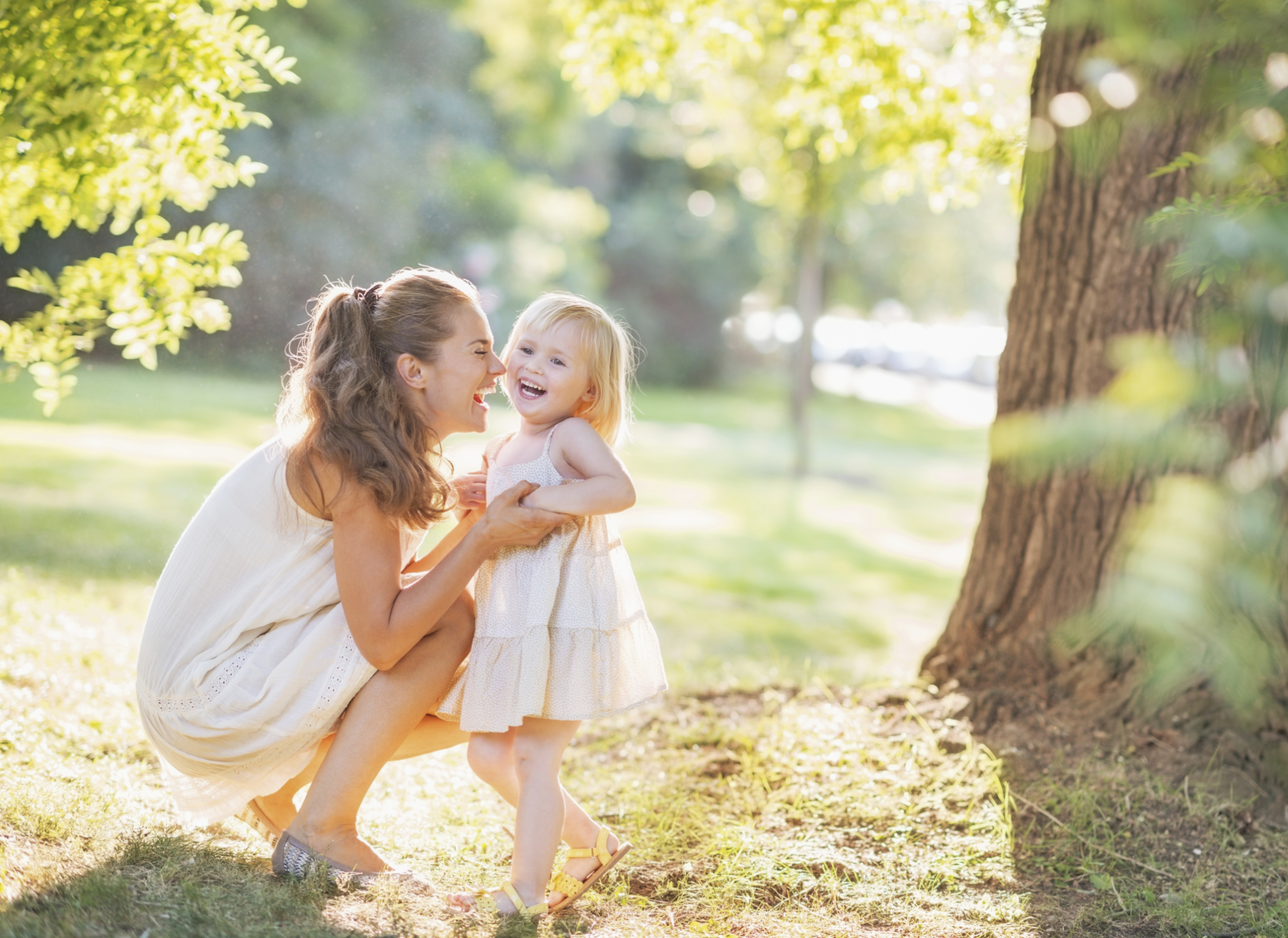 The collaborative study, published in the British Journal of Psychology looked at 418 German and Swiss families to analyse which parents better transferred their values on to their children. They found that children were more like their parents where they had been taught to value helping, caring and supporting others. For the negative nellies, this was less so.
It also showed that parents who focus on prosocial values may be more sensitive to their children’s needs and so develop a much stronger bond. Professor Anat Bardi of Royal Halloway’s Department of Psychology said,
The collaborative study, published in the British Journal of Psychology looked at 418 German and Swiss families to analyse which parents better transferred their values on to their children. They found that children were more like their parents where they had been taught to value helping, caring and supporting others. For the negative nellies, this was less so.
It also showed that parents who focus on prosocial values may be more sensitive to their children’s needs and so develop a much stronger bond. Professor Anat Bardi of Royal Halloway’s Department of Psychology said,
“This research really shows that where parents nurture positive, supportive and altruistic values their children will also take these characteristics to heart. Where being ‘the best’ is among the dominant interests of the parents, children tend not to express such connection to their parent’s values. This research brings a positive message to the world: prosocial parents breed a prosocial next generation, but parents who endorse selfishness do not breed a selfish next generation.” “While there are always other influences on how we develop the values that make us who we are, there is no doubt that our parents have a huge role to play. How we then decide to take their values through our lives is, of course up to us as individuals.”