news
Share
Researchers at UCD are looking for families with ADHD to take part in new project
Published 07:00 7 Sept 2019 BST
Updated 22:38 5 Sept 2019 BST
 Add us as a preferred source on Google »
Looking for an alternative family day out and a way to help ADHD research?
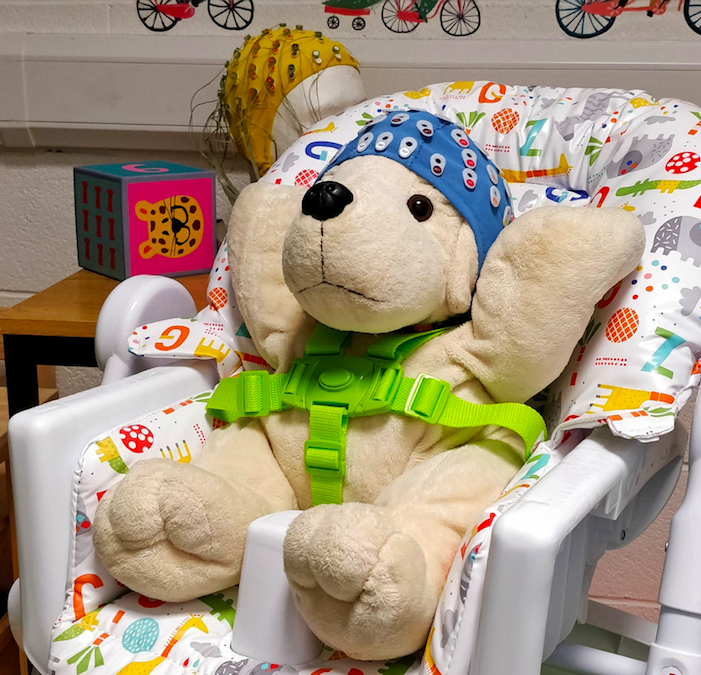
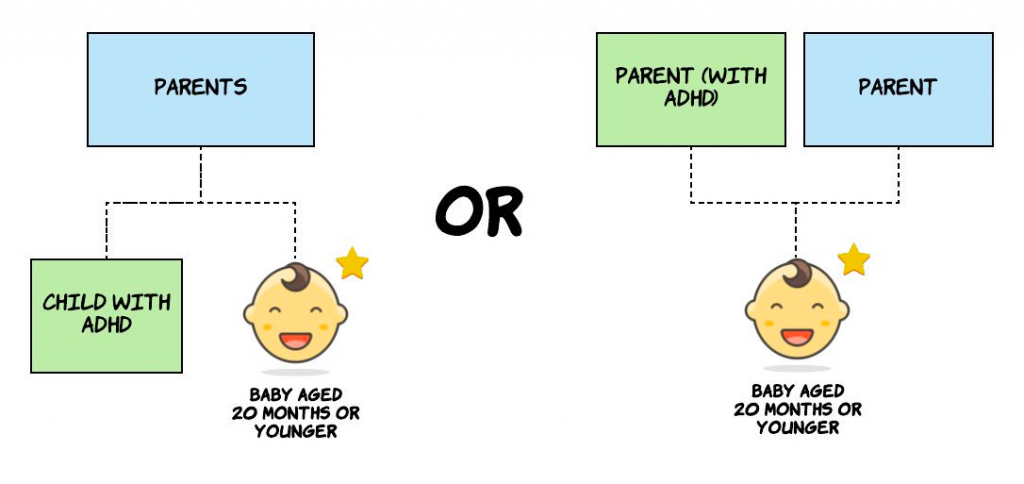
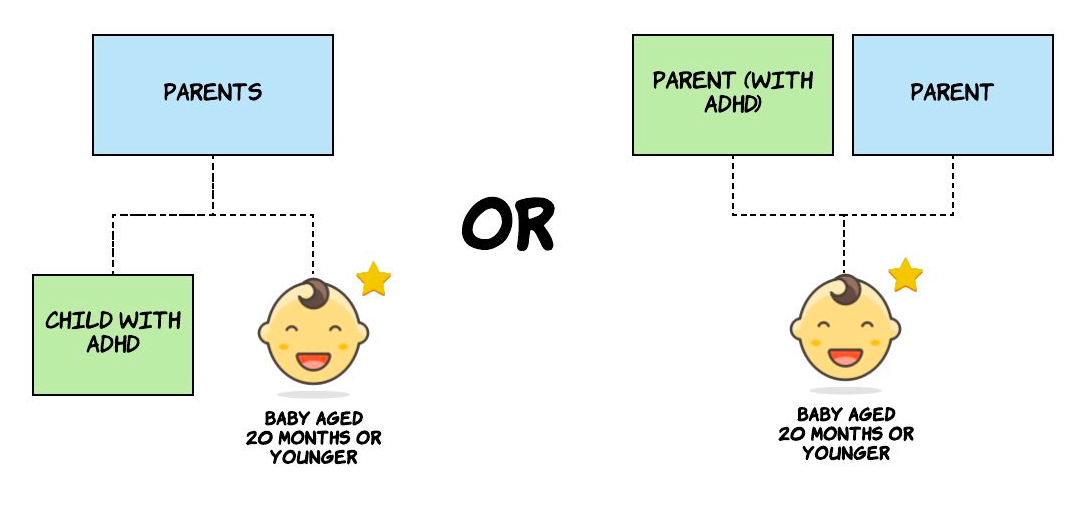
Well, the a team of researchers at UCD are waiting for you to get in touch. UCD Babylab would like to invite you and your baby (under 20 months) to play games that look at attention development and your child’s sleep patterns with a researcher from the UCD School of Psychology. The researchers are looking for babies who have a parent with a diagnosis of ADHD or an older brother/sister who has a diagnosis of ADHD.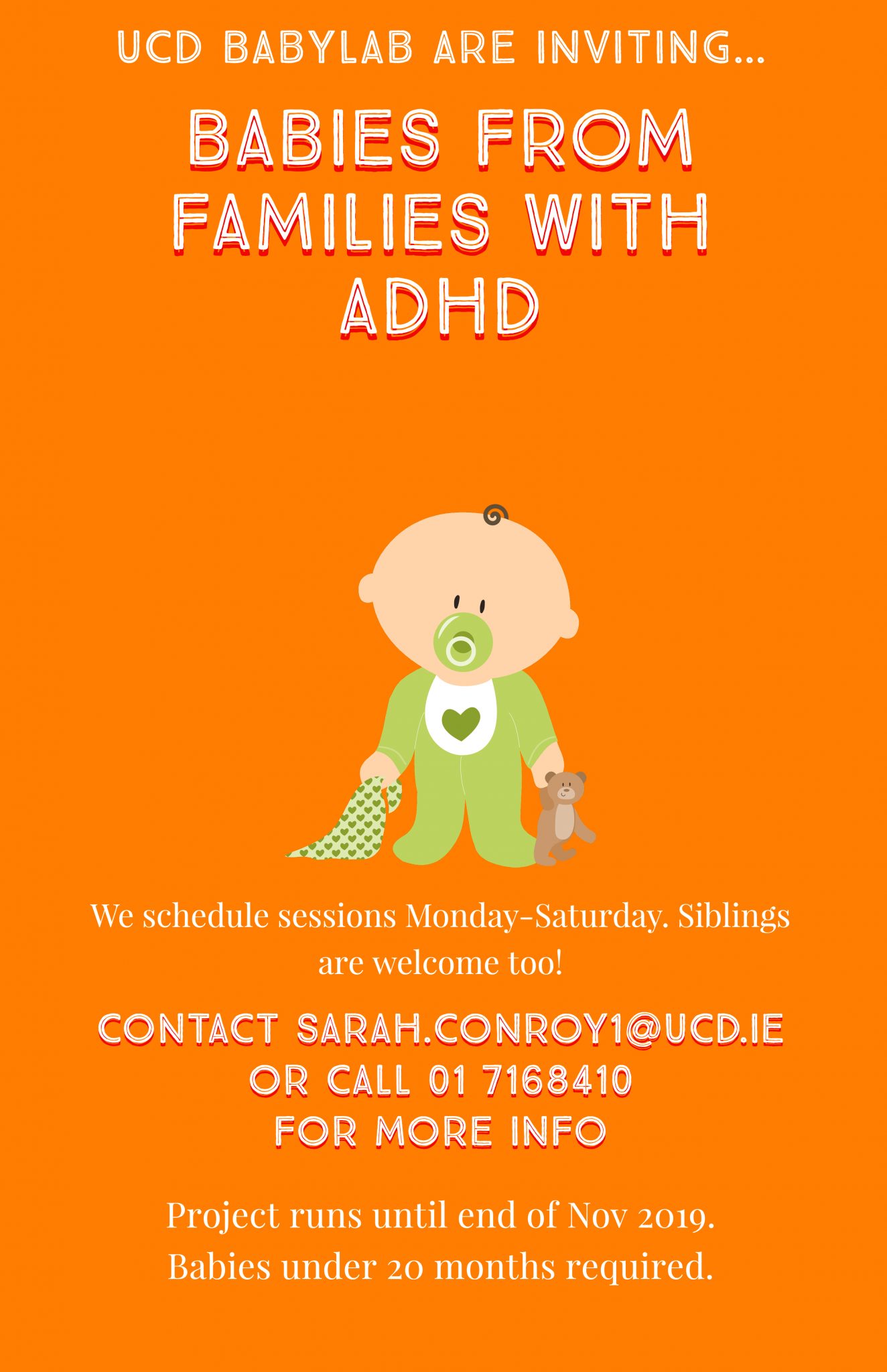 The visit takes less than 90 minutes and involves playing with toys, watching a cartoon using an eye-tracker, and listening to some sounds while they record brainwaves. They also give you an ankle bracelet for your baby to wear at nighttime that measures activity during sleep.
The main aim of the study is to investigate the influence of early sleep behaviour and family factors on attention development in young children at a higher likelihood of ADHD diagnosis due to having a parent or a sibling who have a diagnosis of ADHD.
Having a sibling or parent with ADHD doesn’t mean that a younger sibling will develop this disorder but it may mean that they are at a greater likelihood than a child with no diagnoses in their immediate family.
The visit takes less than 90 minutes and involves playing with toys, watching a cartoon using an eye-tracker, and listening to some sounds while they record brainwaves. They also give you an ankle bracelet for your baby to wear at nighttime that measures activity during sleep.
The main aim of the study is to investigate the influence of early sleep behaviour and family factors on attention development in young children at a higher likelihood of ADHD diagnosis due to having a parent or a sibling who have a diagnosis of ADHD.
Having a sibling or parent with ADHD doesn’t mean that a younger sibling will develop this disorder but it may mean that they are at a greater likelihood than a child with no diagnoses in their immediate family.
It is hoped that the findings of this project will help to develop better ways in the future to support more susceptible children from an earlier developmental stage. This study is an early step towards learning more about how attention develops in young children so that studies in the future can use this information to design new approaches to reduce the impact of ADHD symptoms earlier in development.
None of the tasks used are for making a diagnosis - instead they are collecting information from many families in order to investigate potential patterns that could direct further investigations.
A second aim of the study is to investigate early sleep and attention development by using eye-tracking, sleep actigraphy, and event-related potential measures (to look at brainwaves) to gain a better understanding of how attention develops at this early stage.
 What is involved?
Neuropsychological tasks can be a fun and enjoyable experience for children but there is always a chance that your child may get bored or restless.
Participation can be stopped at any point, for example if a child becomes sleepy. All of the research equipment used in this project is safe and widely used in developmental psychology research and the UCD research ethics committee has approved this study.
This research is supported by The Waterloo Foundation, The Brain and Behavior Research Foundation and University College Dublin.
How do I take part?
If you have any questions or would like to take part, please get in touch with Sarah Conroy at [email protected] or leave a voicemail for Dr Michelle Downes on 017168410.
You can also find out more about Baby Lab at www.ucdbabylab.com
Slots are available until November 2019 and sessions are run from Monday-Saturday to suit your schedule! Siblings are also welcome; there are plenty of games to keep them entertained!
What is involved?
Neuropsychological tasks can be a fun and enjoyable experience for children but there is always a chance that your child may get bored or restless.
Participation can be stopped at any point, for example if a child becomes sleepy. All of the research equipment used in this project is safe and widely used in developmental psychology research and the UCD research ethics committee has approved this study.
This research is supported by The Waterloo Foundation, The Brain and Behavior Research Foundation and University College Dublin.
How do I take part?
If you have any questions or would like to take part, please get in touch with Sarah Conroy at [email protected] or leave a voicemail for Dr Michelle Downes on 017168410.
You can also find out more about Baby Lab at www.ucdbabylab.com
Slots are available until November 2019 and sessions are run from Monday-Saturday to suit your schedule! Siblings are also welcome; there are plenty of games to keep them entertained!
 What is involved?
Neuropsychological tasks can be a fun and enjoyable experience for children but there is always a chance that your child may get bored or restless.
Participation can be stopped at any point, for example if a child becomes sleepy. All of the research equipment used in this project is safe and widely used in developmental psychology research and the UCD research ethics committee has approved this study.
This research is supported by The Waterloo Foundation, The Brain and Behavior Research Foundation and University College Dublin.
How do I take part?
If you have any questions or would like to take part, please get in touch with Sarah Conroy at [email protected] or leave a voicemail for Dr Michelle Downes on 017168410.
You can also find out more about Baby Lab at www.ucdbabylab.com
Slots are available until November 2019 and sessions are run from Monday-Saturday to suit your schedule! Siblings are also welcome; there are plenty of games to keep them entertained!
What is involved?
Neuropsychological tasks can be a fun and enjoyable experience for children but there is always a chance that your child may get bored or restless.
Participation can be stopped at any point, for example if a child becomes sleepy. All of the research equipment used in this project is safe and widely used in developmental psychology research and the UCD research ethics committee has approved this study.
This research is supported by The Waterloo Foundation, The Brain and Behavior Research Foundation and University College Dublin.
How do I take part?
If you have any questions or would like to take part, please get in touch with Sarah Conroy at [email protected] or leave a voicemail for Dr Michelle Downes on 017168410.
You can also find out more about Baby Lab at www.ucdbabylab.com
Slots are available until November 2019 and sessions are run from Monday-Saturday to suit your schedule! Siblings are also welcome; there are plenty of games to keep them entertained!