parenting
Share
This is when divorce can be the most traumatic for your child
Published 07:55 13 Jan 2019 GMT
Updated 14:33 10 Jan 2019 GMT
 Add us as a preferred source on Google »
It can be a distressing time for anyone.
When parents make the decision to get a divorce, it is, most of the time, the last and final option. And while it's in nobody's plan, it could be the best thing for mum, dad and children. Well, according to child psychologist Dr. Scott Carroll, if a divorce takes place when a child is an infant, it’s likely that trauma of the divorce won't be majorly significant to them. "Probably the only ages where you would say it has no meaningful impact is under two. "Even 2-year-olds have memory, so they’re aware of the change on an emotional level rather than a cognitive level. It’s just that an attachment figure is not there," Scott says.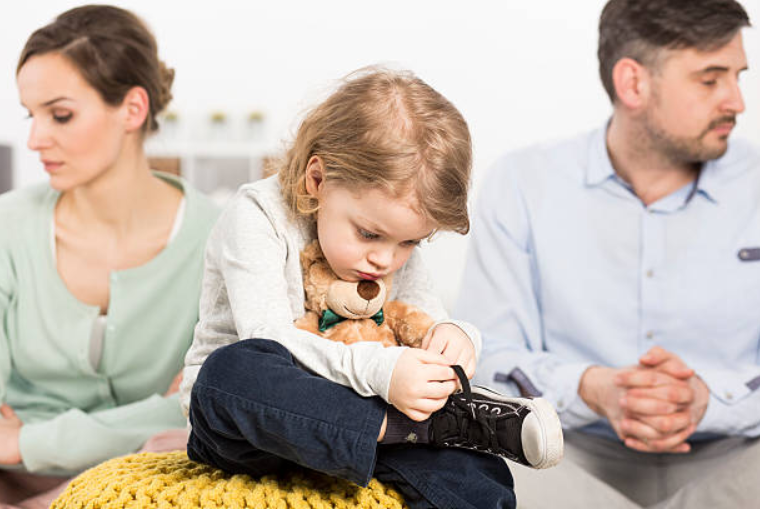 However, skip ahead a few years to your child being 11-years-old and emotional trauma will start to become evident.
At this time, kids will already know and are familiar with their parents' behaviour - and will have grown an attachment to the both of them being around most of the time.
When this changes, it can quite literally put their heads into a spin.
But, the worst thing you could do is fight in front of them, as this has been proven to make the biggest traumatic impact to their lives.
“The divorce itself is not the hardest part. The hardest part is the conflict. If there was a lot of conflicts, sometimes the divorce is like a relief,” Dr Carroll explains.
However, skip ahead a few years to your child being 11-years-old and emotional trauma will start to become evident.
At this time, kids will already know and are familiar with their parents' behaviour - and will have grown an attachment to the both of them being around most of the time.
When this changes, it can quite literally put their heads into a spin.
But, the worst thing you could do is fight in front of them, as this has been proven to make the biggest traumatic impact to their lives.
“The divorce itself is not the hardest part. The hardest part is the conflict. If there was a lot of conflicts, sometimes the divorce is like a relief,” Dr Carroll explains.
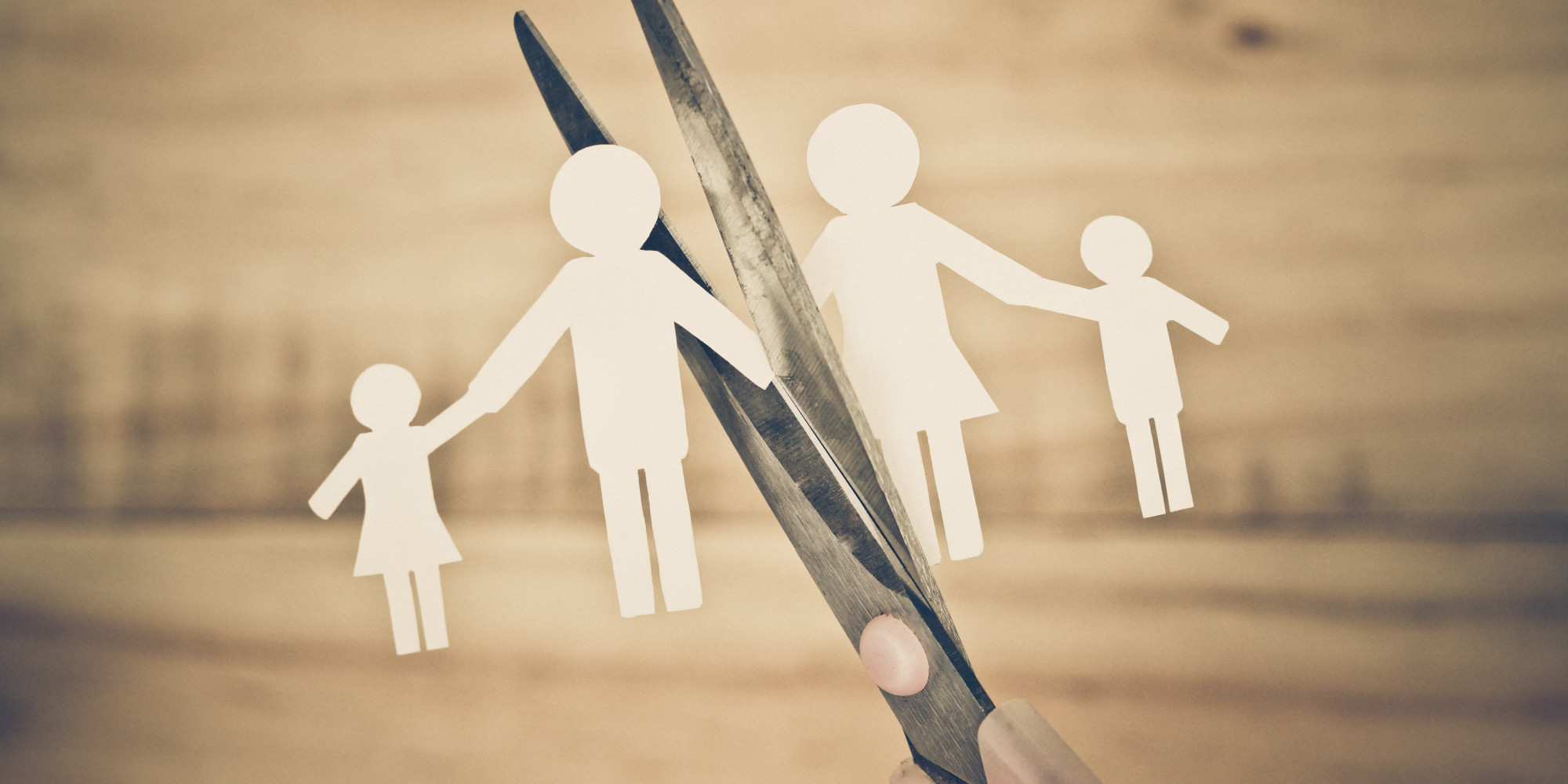 However, even worse than fighting in front of them is abandoning them.
“The absolute worst thing for a kid is if after a divorce a parent just isn’t involved. If you want to see a depressed kid, look at what happens when a parent doesn’t show up.”
If a parent is absent, the child will often wonder, “What’s wrong with me that you don’t love me?”
But it's not all bad news, as Scott says that once a child has reached puberty, they'll be better able to understand what is going on.
“There’s more potential to accept and understand a parent’s divorce. I’ve had teenagers advocate for their parent’s divorce. Sometimes they’re the smartest in the room," he added.
However, even worse than fighting in front of them is abandoning them.
“The absolute worst thing for a kid is if after a divorce a parent just isn’t involved. If you want to see a depressed kid, look at what happens when a parent doesn’t show up.”
If a parent is absent, the child will often wonder, “What’s wrong with me that you don’t love me?”
But it's not all bad news, as Scott says that once a child has reached puberty, they'll be better able to understand what is going on.
“There’s more potential to accept and understand a parent’s divorce. I’ve had teenagers advocate for their parent’s divorce. Sometimes they’re the smartest in the room," he added.