pregnancy
Share
Louis Theroux asks viewers not to judge ahead of new postpartum psychosis documentary
Published 13:25 6 May 2019 BST
 Add us as a preferred source on Google »
"I just hope that people understand what bravery it’s taken for these mums to speak out."
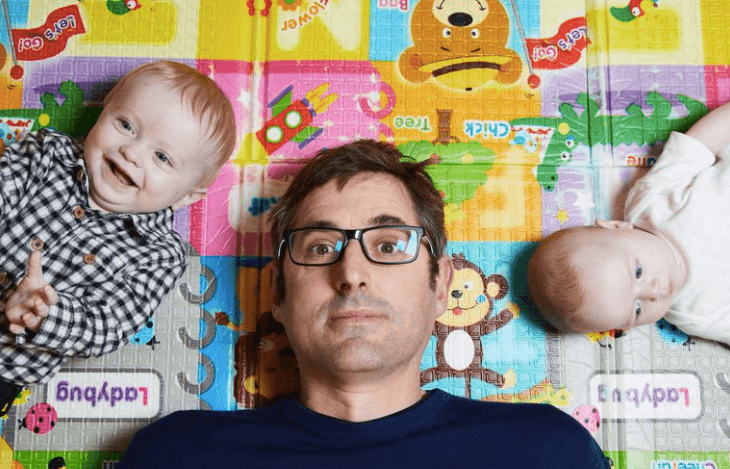
Louis Theroux has asked viewers not to judge the participants of his upcoming documentary about postpartum psychosis. The BBC filmmaker's new show, Mothers On The Edge, will focus on women who are being treated for serious mental health issues following the birth of a child. Theroux said that although what some of the mothers are going through may be heavy and difficult to understand, he is urging viewers not to be too judgemental."I hope that viewers will understand that these mums are going through mental-health episodes and being honest about it," he told Digital Spy.
"People are quite quick to judge, aren’t they? I just hope that people understand what bravery it’s taken for these mums to speak out about what they’ve gone through."
 Theroux, who has three children himself, said that he was aware of postpartum depression and the Baby Blues following the birth of a child, but that he has since discovered that postpartum psychosis is similar "... taken to an extreme."
"It feels to me to be a very important and relatable subject," he said. "And my hope was that the programme would sort of straddle the ups and the downs, the light and the shade... that it would reflect my own experience of being a new parent.
"And maybe, by opening more about how difficult it can often be, it can make those who are struggling feel less lonely."
 Postpartum psychosis (PP) affects significantly less number of new mothers compared to postpartum depression, however the symptoms are far more severe.
Women with PP can be prone to feeling excited, high or deeply depressed without warning. They can also harbour intense feelings of resentment towards their child, experience delusions or hallucinations, as well as severe confusion.
Little is known about the exact cause of PP, however it is possible to make a full recovery with adequate treatment.
Mothers On The Edge will be on BBC2 on May 12 at 9pm.
Postpartum psychosis (PP) affects significantly less number of new mothers compared to postpartum depression, however the symptoms are far more severe.
Women with PP can be prone to feeling excited, high or deeply depressed without warning. They can also harbour intense feelings of resentment towards their child, experience delusions or hallucinations, as well as severe confusion.
Little is known about the exact cause of PP, however it is possible to make a full recovery with adequate treatment.
Mothers On The Edge will be on BBC2 on May 12 at 9pm.Explore more on these topics: