

Share
Published 12:42 8 Mar 2024 GMT
 Add us as a preferred source on Google »
And it's fair, whether your little one isn't sleeping or you're not sleeping, it's a big adjustment to make and missing your shut-eye makes it harder.
So why are experts now talking about red light and how it can help your infant stay down for the night - allowing you to get some much-needed rest?
Well, first things first; it's important to understand how light affects sleep in the first place.
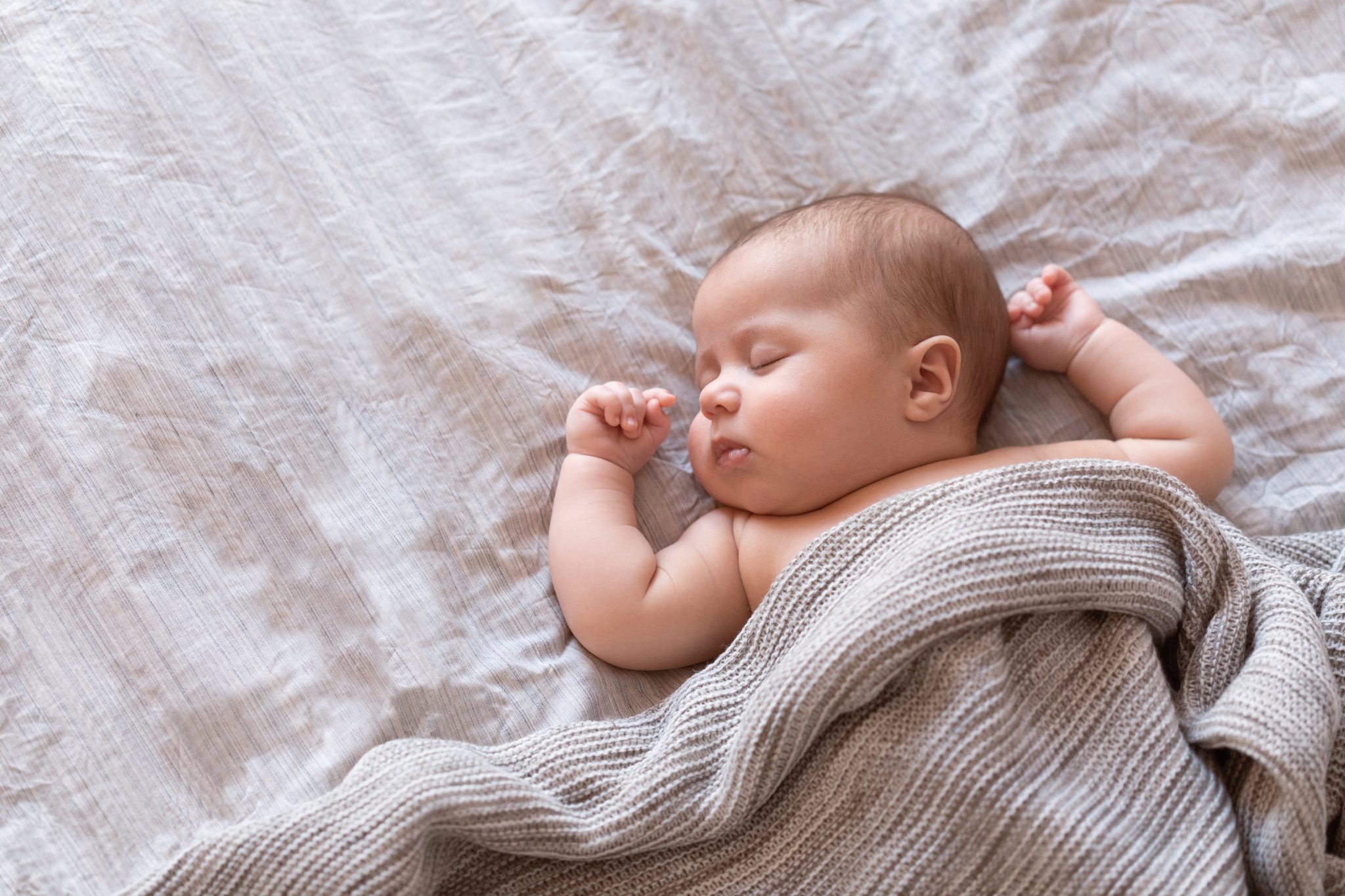
In both adults and infants, light at night can block 99 per cent of the production of the sleep hormone, melatonin.
Blue, green and white light all closely mimic that of daylight drastically affecting melatonin production and throwing off your circadian rhythm.
The circadian rhythm or what many people know as their 'body clock,' is the biological process which tells us when we should feel sleepy, and when we should feel awake.
These signals trigger a host of changes in our body temperature, muscles and breathing which help or hinder sleep.
Red and amber hues have been proven to have little to no effect on the production of that all-important sleep hormone and even at high intensities don't throw off your body clock, because the brain doesn't interpret it as daylight.
The general finding is that it can have an effect on melatonin.
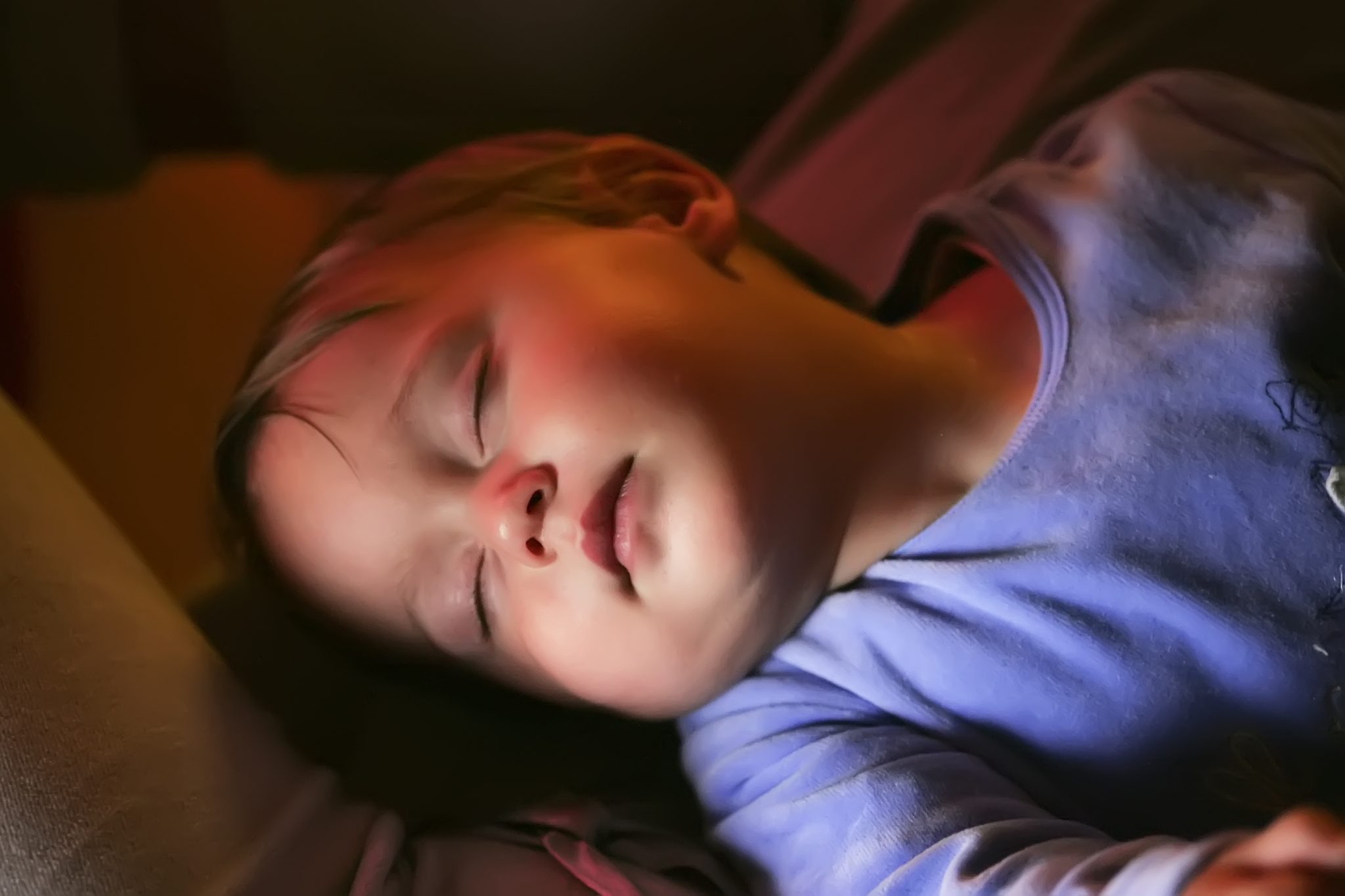
As it gets dark outside, your brain releases more of this hormone to help prepare you for a peaceful slumber.
In a small 2012 study, researchers evaluated the effect of red light therapy on 20 female athletes.
When compared to a placebo group that didn’t have light therapy, participants had improved sleep quality, melatonin levels, and endurance performance.
When it comes to night lights in general, there are a few rules of thumb parents can follow to help improve the quality of both their sleep and their baby including:
Explore more on these topics: