travel + fun
Share
9 Ways To Make Your Family Car Journey Safer
Published 16:35 22 Jul 2016 BST
Updated 12:56 2 Aug 2016 BST
 Add us as a preferred source on Google »
We all know about distractions when we're driving. And don't even get us started on long car journeys.
Keeping an eye on traffic lights, pedestrians, and other drivers on the road requires your full attention. When you throw a car full of kids into the mix things can get a lot (like, a LOT!) more complicated.
A recent study has even shown that children are 12 times more distracting than mobile phones when you're driving. That's pretty scary in our books.
So to make things a bit easier the RSA decided to talk to a group of parents about their top tips for safe and happy motoring with kids on board. They compiled the advice into a handy list of tips that help parents stay focused when they are driving.
Here are 9 ways to make your family car journey safer.
1. Child car seat
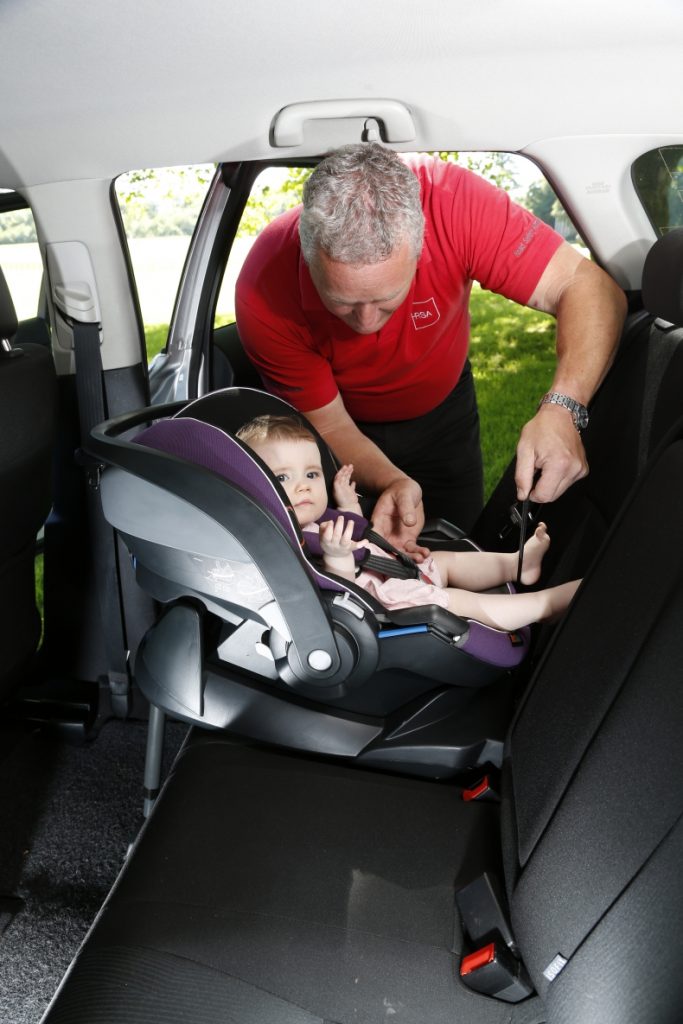
The first and most important step any parent can take to ensure their child is safe when they are in the car is to put them in a suitable child car restraint. You should select your child’s car seat based on their height and weight – not their age!
2. Check it fits
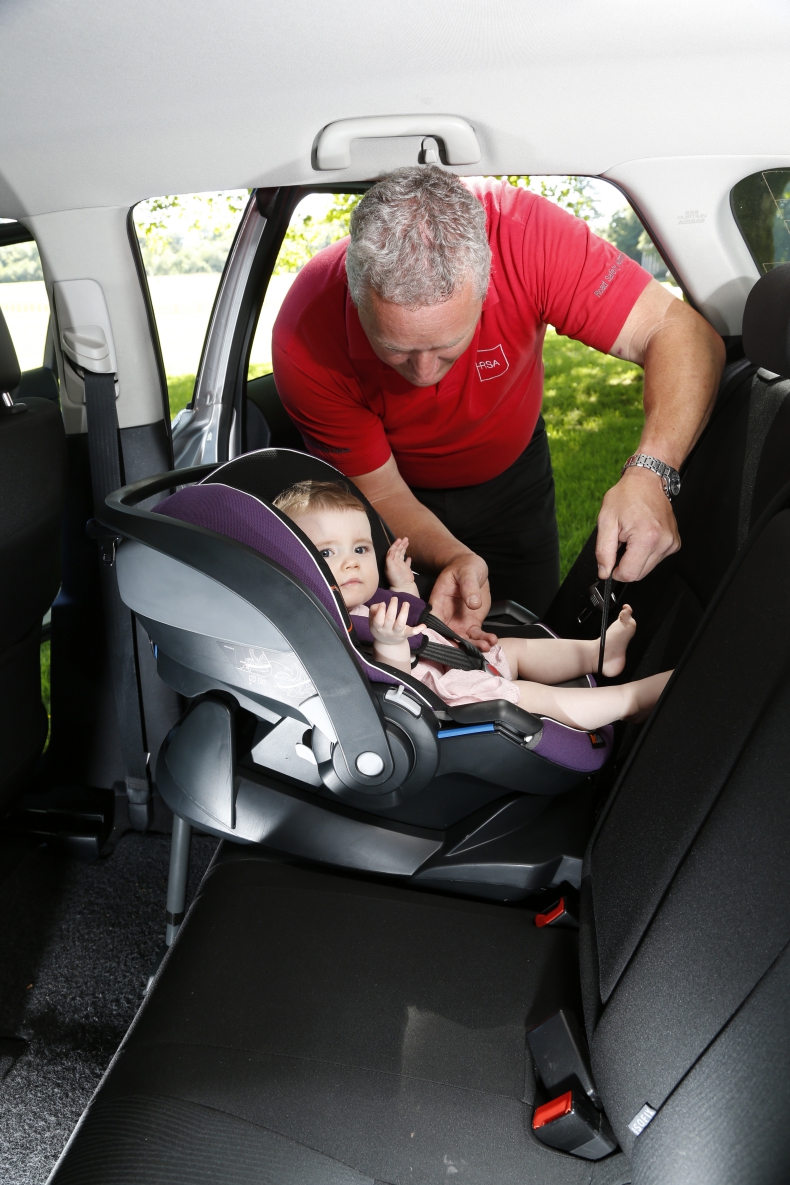
In Ireland, as many as 4 out of 5 child car seats are incorrectly fitted. Ask your retailer to show you how to fit your child car seat correctly. It is easy to test if it is fitted correctly. The child car seat should sit firmly on the back seat with no forward or sideways movement when tested. You can simply push the seat to test this, or you can fasten the harness straps and pull it from the centre – this will show the level of movement in the event you have to break suddenly. If in doubt visit the check it fits service or your retailer.
 3. Child-friendly zone
Before you begin your journey remove any objects that could potentially harm a child, for example small objects that a child could choke on. This will help to minimise any distractions to you so you can focus on the road.
4. Pre-journey routine
Before you begin your journey, make sure your child has taken a bathroom break, had something to eat and drink and that they are safely and comfortably secured in their restraint. This will help to minimise any distractions to you so you can focus on the road.
5. Keep them busy
Keep a CD or an audio book in the car that your child enjoys. Teach your child games like ‘i spy’ so that they can entertain themselves and you can concentrate on the road.
3. Child-friendly zone
Before you begin your journey remove any objects that could potentially harm a child, for example small objects that a child could choke on. This will help to minimise any distractions to you so you can focus on the road.
4. Pre-journey routine
Before you begin your journey, make sure your child has taken a bathroom break, had something to eat and drink and that they are safely and comfortably secured in their restraint. This will help to minimise any distractions to you so you can focus on the road.
5. Keep them busy
Keep a CD or an audio book in the car that your child enjoys. Teach your child games like ‘i spy’ so that they can entertain themselves and you can concentrate on the road.
 6. Keep them in their restraint
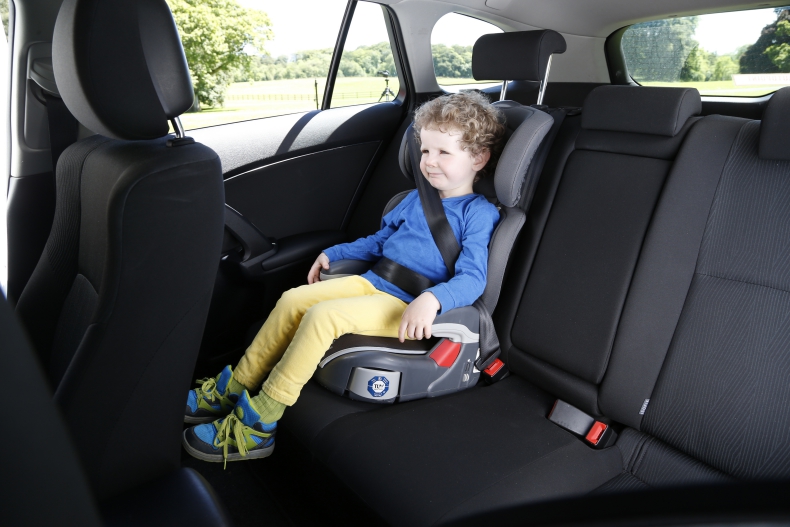
Some children go through a phase of constantly slipping out of the child seat harness or safety belt, incorrectly adjusting straps or seatbelts, or releasing the buckle during journeys. This can be very worrying and frustrating for parents and can easily distract a driver. A simple solution is to check that the harness or seatbelt is adjusted correctly to your child. Incorrectly adjusted harness straps may cause your child to be uncomfortable leading them to push straps off or open buckles.
7. Suitable clothing
Clothing can affect how snugly the harness fits, so use blankets instead of bulky jackets in the winter. This makes sure that the harness is making contact with your child’s body.
8. Summertime travel
Cars can become hot very quickly, so make sure your child is shielded from the sun with a good sun visor and that they have access to fresh air and water. On warm days you should try to avoid taking a car journey between 12pm and 3pm, when temperatures are at their highest.
9. Plan ahead
When taking a long journey try to travel around nap time or bed time so that children settle into the journey and sleep part of it. Make sure to build in stops along the way where you can give a child something to eat and drink and they can use the bathrooms.
For more information on car safety, visit the Road Safety Authority website HERE.
6. Keep them in their restraint
Some children go through a phase of constantly slipping out of the child seat harness or safety belt, incorrectly adjusting straps or seatbelts, or releasing the buckle during journeys. This can be very worrying and frustrating for parents and can easily distract a driver. A simple solution is to check that the harness or seatbelt is adjusted correctly to your child. Incorrectly adjusted harness straps may cause your child to be uncomfortable leading them to push straps off or open buckles.
7. Suitable clothing
Clothing can affect how snugly the harness fits, so use blankets instead of bulky jackets in the winter. This makes sure that the harness is making contact with your child’s body.
8. Summertime travel
Cars can become hot very quickly, so make sure your child is shielded from the sun with a good sun visor and that they have access to fresh air and water. On warm days you should try to avoid taking a car journey between 12pm and 3pm, when temperatures are at their highest.
9. Plan ahead
When taking a long journey try to travel around nap time or bed time so that children settle into the journey and sleep part of it. Make sure to build in stops along the way where you can give a child something to eat and drink and they can use the bathrooms.
For more information on car safety, visit the Road Safety Authority website HERE.
 3. Child-friendly zone
Before you begin your journey remove any objects that could potentially harm a child, for example small objects that a child could choke on. This will help to minimise any distractions to you so you can focus on the road.
4. Pre-journey routine
Before you begin your journey, make sure your child has taken a bathroom break, had something to eat and drink and that they are safely and comfortably secured in their restraint. This will help to minimise any distractions to you so you can focus on the road.
5. Keep them busy
Keep a CD or an audio book in the car that your child enjoys. Teach your child games like ‘i spy’ so that they can entertain themselves and you can concentrate on the road.
6. Keep them in their restraint
Some children go through a phase of constantly slipping out of the child seat harness or safety belt, incorrectly adjusting straps or seatbelts, or releasing the buckle during journeys. This can be very worrying and frustrating for parents and can easily distract a driver. A simple solution is to check that the harness or seatbelt is adjusted correctly to your child. Incorrectly adjusted harness straps may cause your child to be uncomfortable leading them to push straps off or open buckles.
7. Suitable clothing
Clothing can affect how snugly the harness fits, so use blankets instead of bulky jackets in the winter. This makes sure that the harness is making contact with your child’s body.
8. Summertime travel
Cars can become hot very quickly, so make sure your child is shielded from the sun with a good sun visor and that they have access to fresh air and water. On warm days you should try to avoid taking a car journey between 12pm and 3pm, when temperatures are at their highest.
9. Plan ahead
When taking a long journey try to travel around nap time or bed time so that children settle into the journey and sleep part of it. Make sure to build in stops along the way where you can give a child something to eat and drink and they can use the bathrooms.
For more information on car safety, visit the Road Safety Authority website HERE.
3. Child-friendly zone
Before you begin your journey remove any objects that could potentially harm a child, for example small objects that a child could choke on. This will help to minimise any distractions to you so you can focus on the road.
4. Pre-journey routine
Before you begin your journey, make sure your child has taken a bathroom break, had something to eat and drink and that they are safely and comfortably secured in their restraint. This will help to minimise any distractions to you so you can focus on the road.
5. Keep them busy
Keep a CD or an audio book in the car that your child enjoys. Teach your child games like ‘i spy’ so that they can entertain themselves and you can concentrate on the road.
6. Keep them in their restraint
Some children go through a phase of constantly slipping out of the child seat harness or safety belt, incorrectly adjusting straps or seatbelts, or releasing the buckle during journeys. This can be very worrying and frustrating for parents and can easily distract a driver. A simple solution is to check that the harness or seatbelt is adjusted correctly to your child. Incorrectly adjusted harness straps may cause your child to be uncomfortable leading them to push straps off or open buckles.
7. Suitable clothing
Clothing can affect how snugly the harness fits, so use blankets instead of bulky jackets in the winter. This makes sure that the harness is making contact with your child’s body.
8. Summertime travel
Cars can become hot very quickly, so make sure your child is shielded from the sun with a good sun visor and that they have access to fresh air and water. On warm days you should try to avoid taking a car journey between 12pm and 3pm, when temperatures are at their highest.
9. Plan ahead
When taking a long journey try to travel around nap time or bed time so that children settle into the journey and sleep part of it. Make sure to build in stops along the way where you can give a child something to eat and drink and they can use the bathrooms.
For more information on car safety, visit the Road Safety Authority website HERE.Explore more on these topics: