health
Share
67m children missed out on routine vaccines due to Covid-19
Published 09:29 20 Apr 2023 BST
 Add us as a preferred source on Google »
"Vaccines have played a really important role."
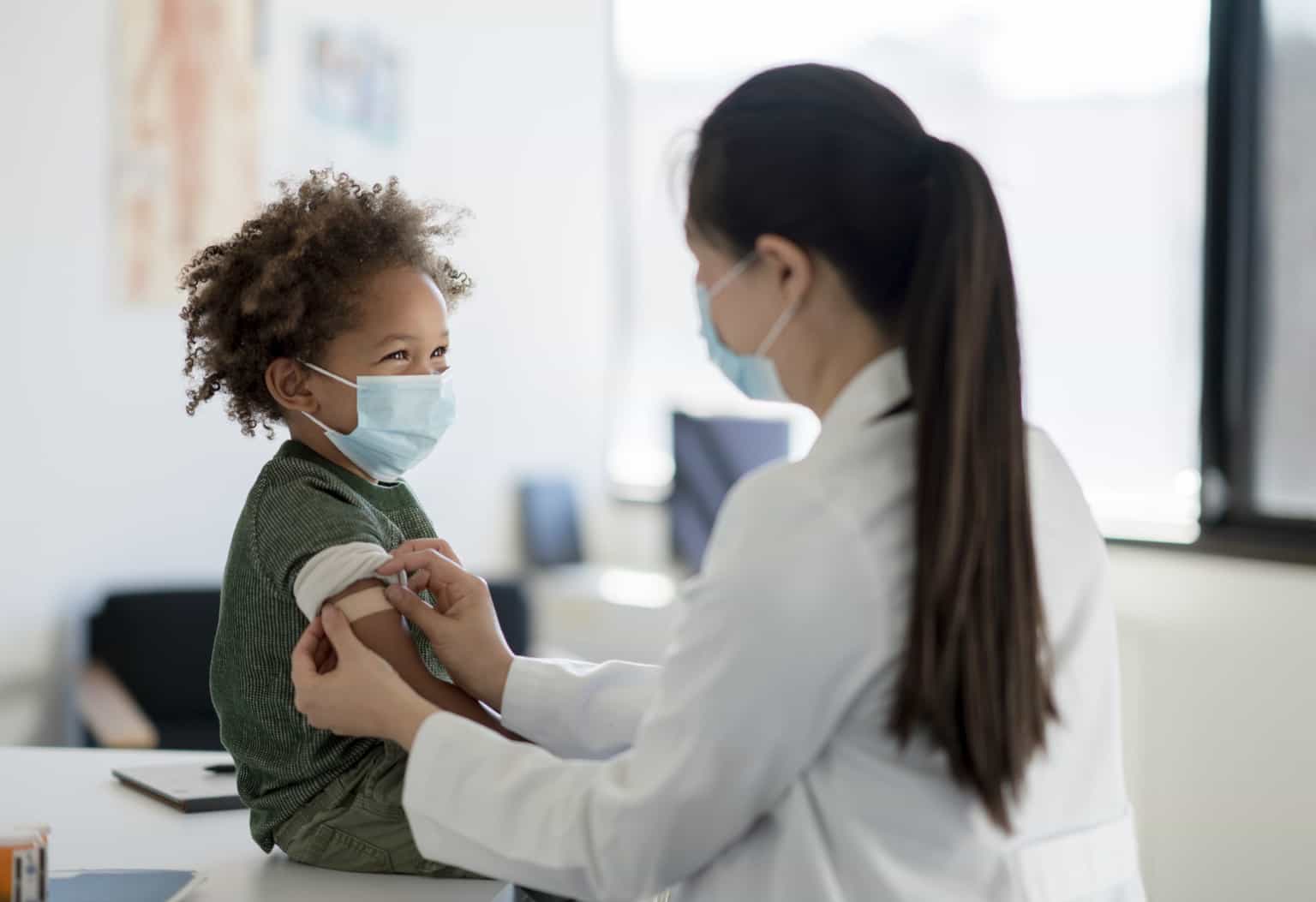
Around 67 million children worldwide partially or fully missed out on routine vaccines from 2019 and 2021 due to the Covid-19 pandemic. The United Nations has said that the disruption in health care and lockdowns is the route of children missing out on these standard vaccines. "More than a decade of hard-earned gains in routine childhood immunization have been eroded," a report from the UN's children's agency, UNICEF, said, also noting that getting this back on track "will be challenging." Out of those children whose vaccinations were "severely disturbed", 48 million missed theirs entirely and UNICEF has raised concerns of potential polio and measles outbreaks. Vaccination in children decreased in 112 countries and the amount of children vaccinated globally declined by 5%, now standing at 81%. This is the same figure it was in 2008, with Africa and South Asia being most affected.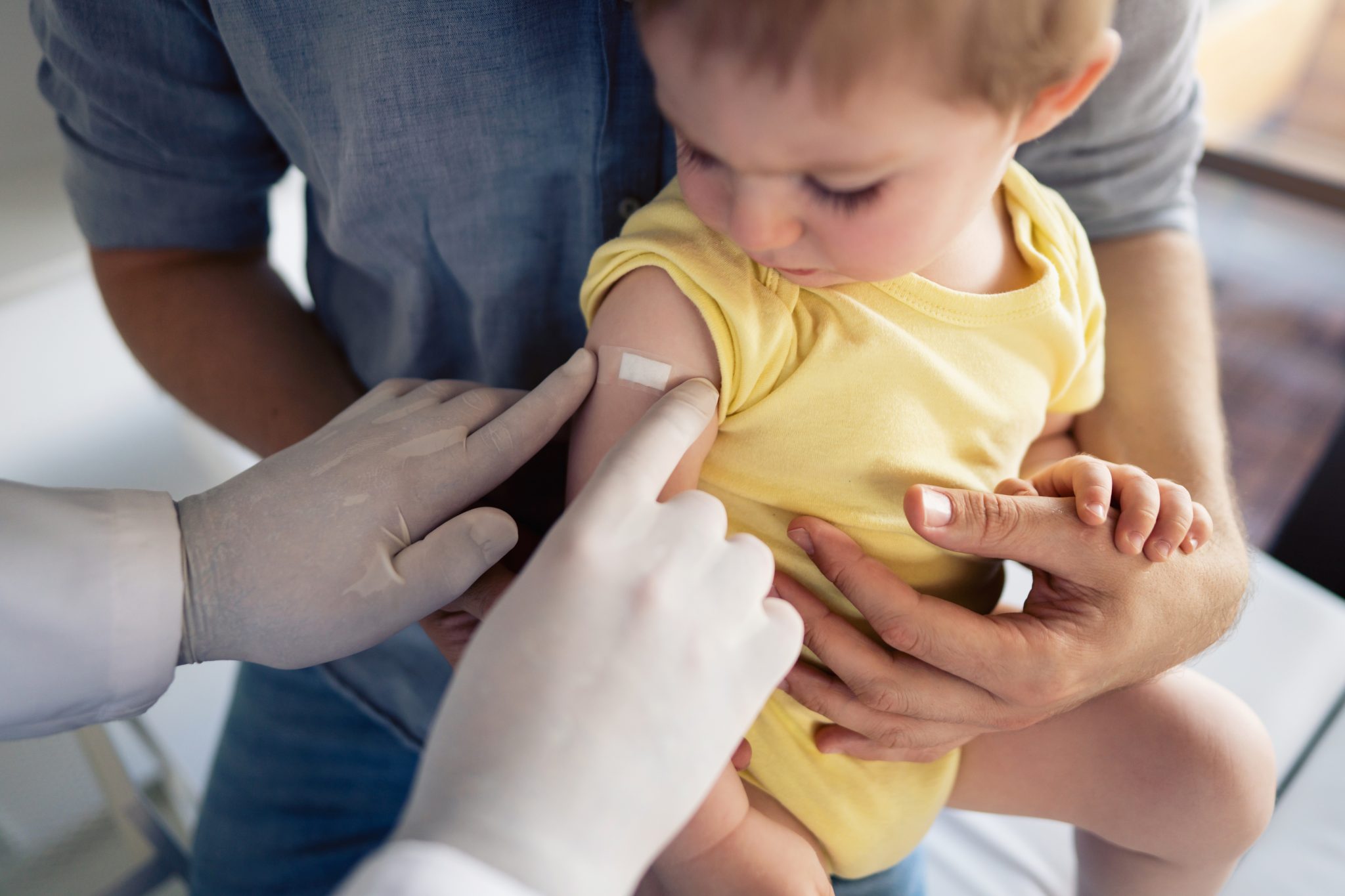 "Worryingly, the backsliding during the pandemic came at the end of a decade when, in broad terms, growth in childhood immunization had stagnated," the report said.
"Vaccines have played a really important role in allowing more children to live healthy, long lives," Brian Keeley, the report's editor in chief, added. "Any decline at all in vaccination rates is worrying."
Routine childhood vaccines save 4.4 million lives a year and the figure is expected to jump to 5.8 million by 2030 if targets are met.
The measles vaccine was introduced in 1963 and prior to this, the disease killed around 2.6 million people every year and in 2021, the figure had dropped to 128,000.
The number of cases in children doubled in 2022 compared to 2021 due to the decline in children getting vaccinated.
UNICEF have called on the world's governments "to double-down on their commitment to increase financing for immunization" and give special attention to the "catch up" of vaccination efforts.
The new report also addressed concerns over people's lack of confidence in vaccines, which has been seen in 52 out 55 countries that were surveyed.
"We cannot allow confidence in routine immunizations to become another victim of the pandemic," Mr Keeley added
Catherine Russell, UNICEF's executive director, said in a statement: "Otherwise, the next wave of deaths could be of more children with measles, diphtheria or other preventable diseases."
Despite some queries over vaccines, the overall confidence in them "remains relatively strong."
The figures are contained in UNICEF's flagship annual State of the World's Children and the data was collected by the Vaccine Confidence Project at the London School of Hygiene and Tropical Medicine.
"Worryingly, the backsliding during the pandemic came at the end of a decade when, in broad terms, growth in childhood immunization had stagnated," the report said.
"Vaccines have played a really important role in allowing more children to live healthy, long lives," Brian Keeley, the report's editor in chief, added. "Any decline at all in vaccination rates is worrying."
Routine childhood vaccines save 4.4 million lives a year and the figure is expected to jump to 5.8 million by 2030 if targets are met.
The measles vaccine was introduced in 1963 and prior to this, the disease killed around 2.6 million people every year and in 2021, the figure had dropped to 128,000.
The number of cases in children doubled in 2022 compared to 2021 due to the decline in children getting vaccinated.
UNICEF have called on the world's governments "to double-down on their commitment to increase financing for immunization" and give special attention to the "catch up" of vaccination efforts.
The new report also addressed concerns over people's lack of confidence in vaccines, which has been seen in 52 out 55 countries that were surveyed.
"We cannot allow confidence in routine immunizations to become another victim of the pandemic," Mr Keeley added
Catherine Russell, UNICEF's executive director, said in a statement: "Otherwise, the next wave of deaths could be of more children with measles, diphtheria or other preventable diseases."
Despite some queries over vaccines, the overall confidence in them "remains relatively strong."
The figures are contained in UNICEF's flagship annual State of the World's Children and the data was collected by the Vaccine Confidence Project at the London School of Hygiene and Tropical Medicine.
Related links:
Nurses slam decision to remove facemasks in healthcare settings
A paramedic has shared a simple hack to check for toddler choking hazards
Processing of cervical check samples suspended at the Coombe Hospital
Explore more on these topics: