Share
Dermatologist issues advice for anyone struggling with ‘Autumn face’
Published 12:48 17 Oct 2025 BST
 Add us as a preferred source on Google »
This article contains affiliate links. We may earn a commission on any sales generated from it.
Symptoms often include your skin feeling tighter, drier, and more irritated
Anyone with somewhat sensitive skin knows that cold and harsh weather conditions certainly don't help the case. As temperatures drop, a warning has been issued about a seasonal condition, referred to by dermatologists as 'Autumn face'.
During the autumn and winter months, GPs see an increase in patients coming in to complain about this seasonal condition.
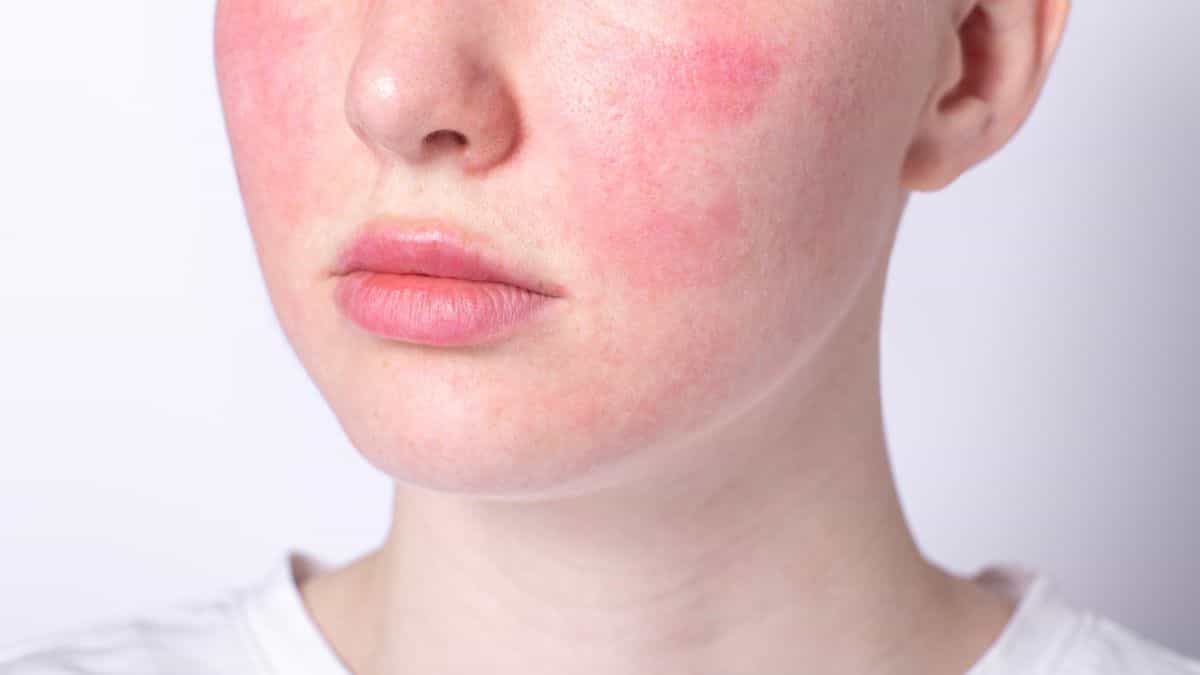
Symptoms often include your skin feeling tighter, drier, and more irritated overall.
Some also experience stings and itches, or the skin feeling red and appearing inflamed after being touched.
So, if these symptoms sound familiar, we're sorry to say, but you might be suffering from 'Autumn face'.
However, there's no need to fret, as Dr Derrick Philips, who also acts as a spokesperson for The British Skin Foundation, issued advice about the importance of fending off 'Autumn face'.
It's important to note that this phenomenon is the broader name for a series of skin conditions that could include or combine conditions such as dermatitis, eczema, and rosacea.
For those who might wonder why 'Autumn face' only decides to strike ahead of the festive period, Dr Philips told the Daily Mail that it's all to do with the epidermis, which is a watertight seal protecting the skin's most exterior layers.
Dr Philips explained: "The purpose of the skin barrier is to protect the internal environment.
"Keeping viruses, bacteria, and pollutants out, while locking moisture in. When that barrier is damaged, water leaks out and irritants get in, leaving skin dry, red, and inflamed."
However, it isn't just the cold air and brisk winds that trigger 'Autumn face', but more so the skin's reaction to central heating in contrast.
Dr Philips warns not to 'sit too close to the radiator' in hopes of quickly warming up after being out in the cold.
"It can be surprisingly bad for your skin, as it strips away moisture," he explained.
Staying on the topic, the same can be said for long, hot showers this time of year, as it can reportedly 'remove the protective oils from the skin's surface', making it 'more red, tight and sensitive'.
Now, to tackle the dryness in the face, Philips recommends investing in a humidifier, as this will help add some moisture back into the air, which in its turn will lead to adding hydration back into your skin.
Another tip is to get rid of any harsh cleansers that might be a part of your skincare routine, as Dr Philips claims these only worsen red rashes and soreness.
Additionally, over-exfoliating, sunburn, and the use of active ingredients (retinols or acids) could also strip the moisture from the epidermis.
"When that mortar starts to crumble, everything becomes unstable—water escapes, and irritants seep in," he continued.
"That's when skin starts to feel rough, sting after washing, or flush easily when you apply products, " per the Daily Mail.
Dr Philips' final and maybe most important tip to combat 'Autumn face' is as simple as rationalising your skincare routine.
"Strip it back to the basics," he explained. "A gentle cleanser, a nourishing moisturiser, and a good sunscreen.
"Once you're using hydrating, non-irritating products, the skin barrier can usually repair within six to eight weeks."
However, if flaking, redness, or sensitivity remains, the dermatologist suggests booking a consultation with your local GP.
A good dehumidifier will always help during the winter. We highly recommend this one.
Explore more on these topics: