Share
‘We’ve seen a very significant recent rise’ – HSE warns parents over contagious respiratory disease in kids
Published 12:28 14 Nov 2023 GMT
 Add us as a preferred source on Google »
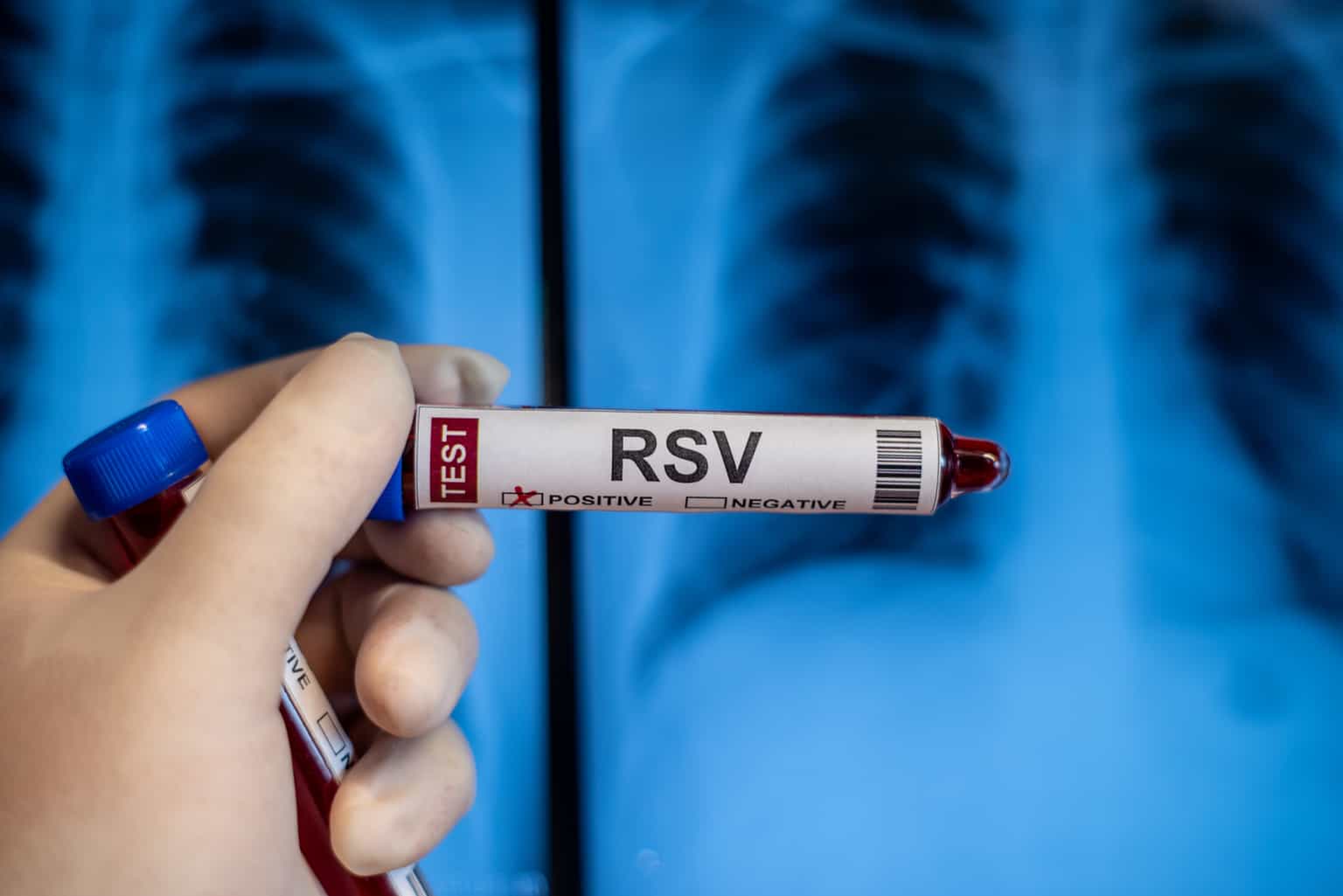
A rise in RSV is to be expected during the winter period, according to the HSE.
The HSE is advising parents to be vigilant of their children’s symptoms as GPs and hospitals report “a rise in the numbers of young children affected by respiratory symptoms and viruses, including RSV”.
RSV (respiratory syncytial virus) is a highly contagious respiratory disease, which usually occurs between October and April each year.
Cases are known to peak in December, so now is the perfect time to prepare for and prevent it.
It is the main cause of bronchiolitis and pneumonia in very young children and is very serious as bronchiolitis may lead to breathing and feeding difficulties resulting in hospitalisation.
RSV can also be serious and life-threatening for older adults, individuals with weak immune systems, and children who are premature or have chronic heart and lung disease.
Speaking about the current spike in cases, Dr Abigail Collins, National Clinical Lead for the HSE's Child Health Public Health Programme, said: “We’ve seen a very significant recent rise in the number of children with RSV, especially in children aged four and under, which is concerning.
“It’s up to us all to do our part to protect vulnerable babies and children. Key to that is to reducing the chance of infection and spread.
“That means staying away from others if you feel unwell, covering your mouth and nose with a tissue when you cough or sneeze, binning used tissues and washing your hands after and regularly throughout the day.
“Please make sure your child’s vaccines or immunisations are up to date, including the annual free nasal flu vaccine available from your local GP or pharmacy.”
Dr Ciara Martin, HSE National Clinical Advisor for Children and Young People, then added: “Newborns and younger babies are at particular risk from RSV. When visiting families with newborns you need to be extra careful to wash your hands before holding them.
“And don’t kiss and cuddle babies if you have a cold or a cough. For parents who are worried we have a lot of advice available on mychild.ie.
“Most cases of RSV can be cared for at home, and usually clears between two to three weeks without treatment. However, symptoms can worsen quickly, particularly within the first 5-6 days, so it is important to watch symptoms and seek medical advice when needed.”
Crèches and childcare services
At this time of year, children may have a runny nose or slight cough, and they should not be prevented from attending if they are feeling well with one mild symptom.
However, if a child is feeling unwell with more significant symptoms, or combination of symptoms (cough, runny nose and mild fever) then they should be at home until the fever and their symptoms have gone away.
Children may have a persistent cough after infection for a few weeks so once the fever and other symptoms have gone, “they should not be excluded for the cough alone,” according to the HSE.
Good ventilation of shared spaces, good cough etiquette (coughing into tissue or elbow rather than on hands) and good hand hygiene / cleaning of surfaces, all really help in preventing spread.
Initial symptoms can include:
- runny nose
- blocked nose
- mild fever (temperature of 38 degrees Celsius)
- slight cough.
Further symptoms usually develop over the next few days, including:
- mild fever (temperature of 38 degrees Celsius)
- a dry and persistent cough
- rapid or noisy breathing (wheezing)
- feeding less
- fewer wet nappies
- vomiting after feeding
- being irritable.