Share
Irish households urged to close windows and doors from 10am to 3pm this month
Published 15:36 9 Mar 2026 GMT
Updated 15:46 9 Mar 2026 GMT
 Add us as a preferred source on Google »
Hay fever season is near
Irish households have been urged to take necessary precautions as pollen levels start to rise, as hay fever season is near.
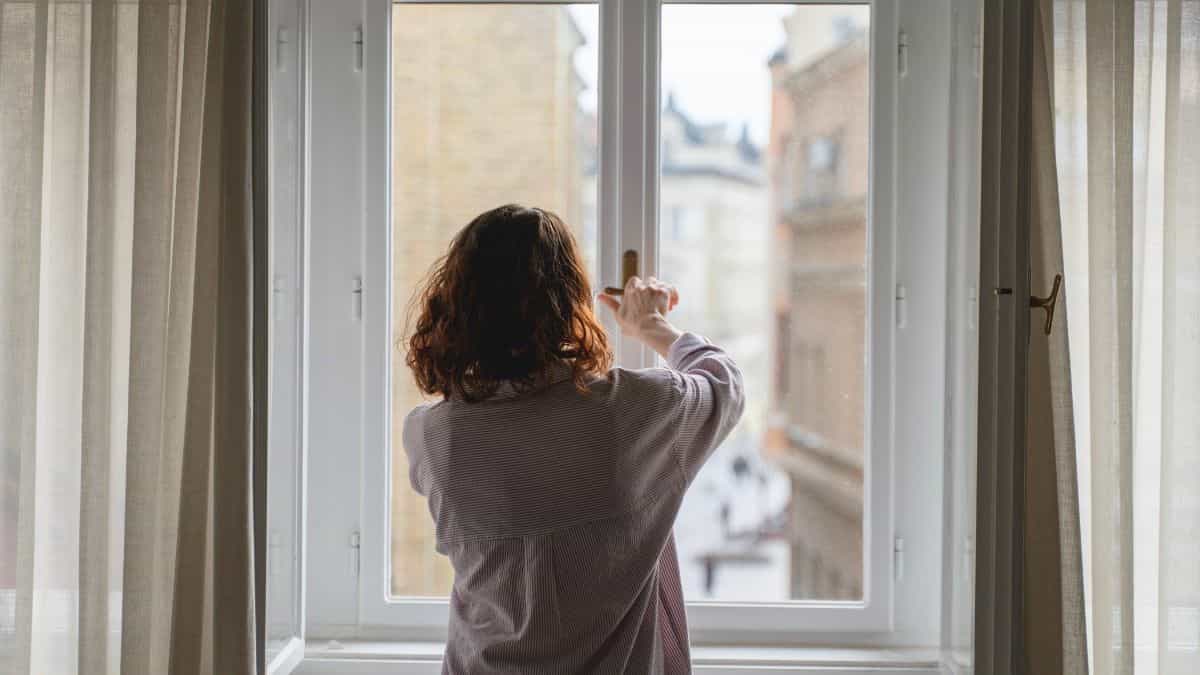
Residents are advised to keep their windows and doors closed during peak daylight hours as meteorological spring is now here and pollen levels are beginning to rise.
Experts claim that the worst time of day for sufferers is between 10 am and 3 pm, especially on dry or windy days.
National forecaster, Met Éireann, has also confirmed that the tree pollen season has officially started, with alder and yew already releasing "a lot of tree pollen" into the air. Cypress is expected to follow shortly.
Even though grass, weed, and nettle pollen remain low for now, concentrations are expected to build in the weeks to come.
According to Met Éireann’s latest three-day outlook, pollen levels are expected to be ‘high’ in Leinster and ‘medium’ across Munster, Connacht and Ulster through to the end of the week.
It is understood that around one in four people in Ireland suffer from hay fever, also known as seasonal allergic rhinitis.
Symptoms of hay fever can include:
- Sneezing and coughing
- A runny or blocked nose
- Itchy, red or watery eyes
- Itchy throat, mouth, nose and ears
- Loss of smell
- Pain around your temples and forehead
- Headache
- Earache
- Feeling tired
The HSE explained: "Hay fever is an allergic reaction to pollen. You will have hay fever symptoms soon after pollen comes into contact with your mouth, nose, eyes and throat. Pollen is a fine powder that comes from plants. The most common sources of pollen are trees, grass and weeds."
The 'Irish pollen season' typically runs from late March until September and is split into three overlapping phases: tree pollen from March to May, grass pollen from mid-May to July and weed pollen from around July to September.
The HSE also recommends that households keep their windows closed when the pollen count is high, while experts also advise limiting exposure to pollen during the late morning and early afternoon, when pollen counts are likely to peak.
People who suffer from hay fever know all too well that symptoms can last for weeks or months, and in some cases even year-round.
While there is no actual cure, there are effective ways to ease the symptoms.
The following measures are recommended by the HSE to ease hay fever symptoms.
- Check the pollen forecast count daily at Met Éireann
- Put Vaseline around your nostrils to trap pollen
- Wear wraparound sunglasses to stop pollen from getting into your eyes
- Shower and change your clothes after you've been outside to wash the pollen off
- Stay indoors or plan indoor activities for children when the pollen count is high
- Keep windows and doors closed when the pollen count is high
- Dust with a damp cloth
- Vacuum often
- Be aware that pets can carry pollen into your house
The HSE also advises avoiding the following:
- Do not cut grass or walk on grass
- Do not keep fresh flowers in the house
- Do not smoke or be around smoke - it makes your symptoms worse
- Do not dry clothes outside - they can trap pollen