news
Share
Partners to be allowed to attend 20 week scans, says HSE
Published 10:02 9 Dec 2020 GMT
 Add us as a preferred source on Google »
The banning of partners in maternity hospitals has been described as "cruel."
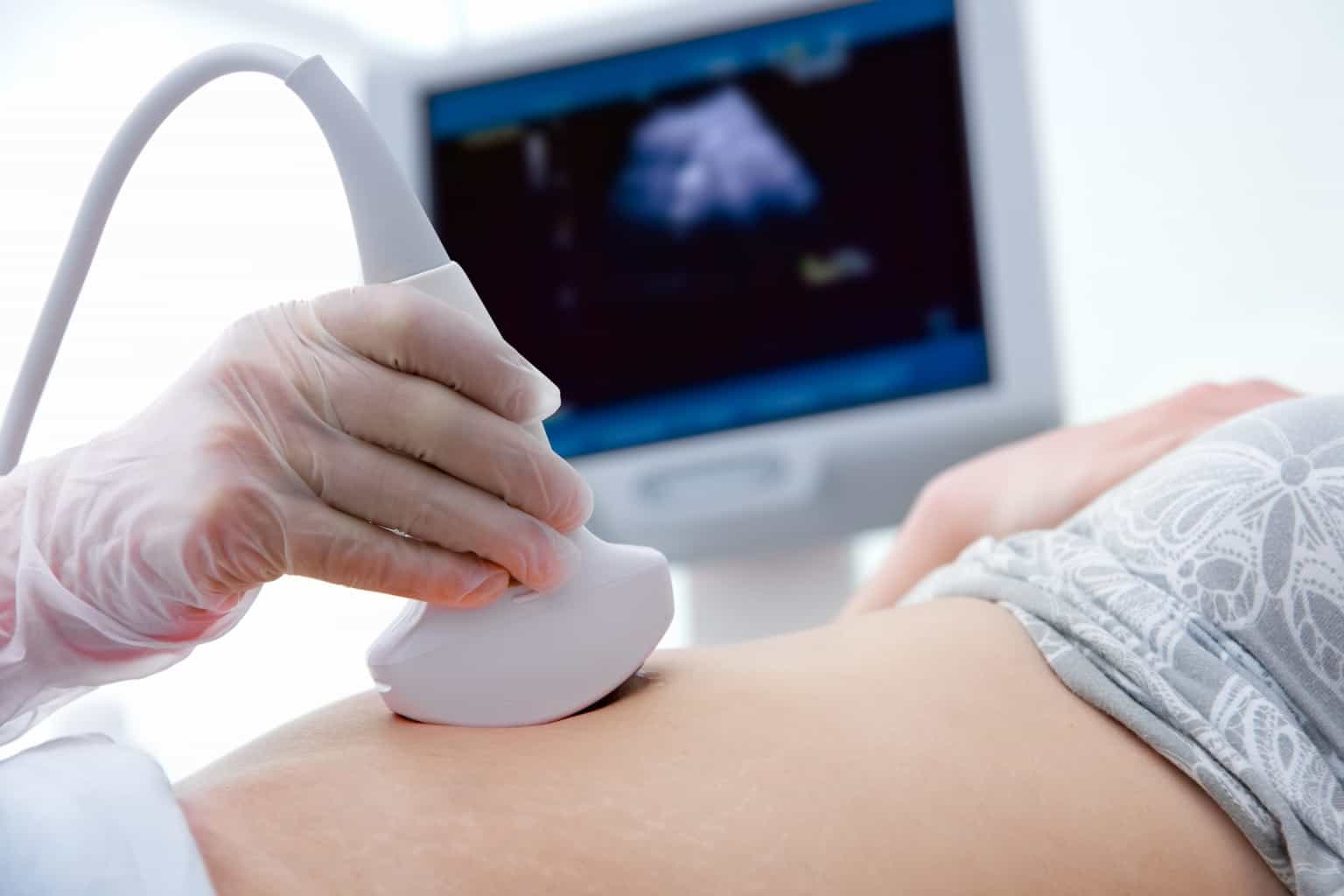
Partners will soon be able to attend 20 week scans in maternity hospitals, the HSE has said. The partners of pregnant women were previously banned from attending scans and, in some cases, births due to Covid-19. There has been consistent criticism of this decision from new mothers and family members since the beginning of this year, with many of them dubbing the move "inhumane." According to The Irish Times, the HSE is expected to ask maternity hospitals today to allow partners to attend 20 week scans and surgical interventions. This comes as the country's rate of Covid transmission in the community has lowered considerably, as well as consistent pressure from campaigners and couples. A recent UpLift petition, which has been signed by over 50,000 people, called for the HSE to reconsider its bans on partners, calling maternity hospitals' strict coronavirus measures "cruel." Physiotherapist Caroline Cumming, who is currently pregnant with her third child, said: "The restrictions prohibiting fathers and partners from accompanying women to antenatal appointments and scans, despite the fact that she could potentially receive distressing, life changing news alone is extremely cruel." The petition, delivered to Cork University Maternity Hospital, asked for partners to be allowed attend antenatal appointments and scans for the full duration of labour and after birth on the postnatal ward. Earlier this year, the In Our Shoes campaign began sharing the stories of those who had used the country's maternity services since the beginning of the pandemic. Campaigner and new mother Emma Carroll said at the time that while the restrictions across hospitals have varied, many women with traumatic birth experiences have been left to cope without their partner by their side. "These are public funded institutions providing public care to tax payers and there needs to be accountability," she said. "It’s just not good enough. "It’s such a vulnerable time for a lot of women and the stories we’ve been hearing have been harrowing."Explore more on these topics: