Share
Warning issued to anyone who takes painkillers while on their period
Published 12:03 15 Dec 2025 GMT
Updated 12:04 15 Dec 2025 GMT
 Add us as a preferred source on Google »
It's a very 'important and nuanced topic'
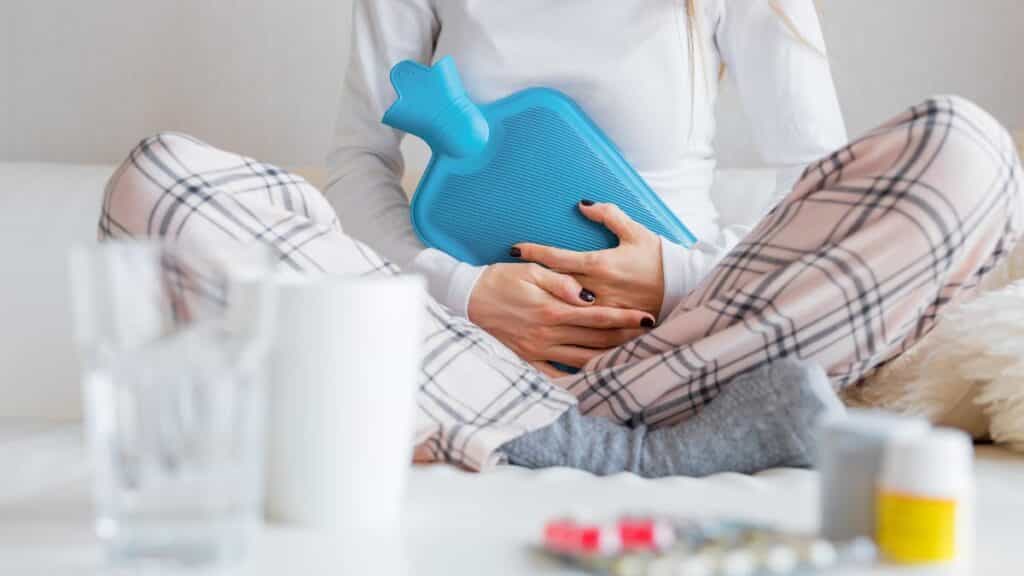
Anyone who deals with periods has their own tips and tricks to handle the discomfort we experience during that time of the month, whether that's using a hot water bottle, indulging in some dark chocolate, or relying on that life-saving strip of Ibuprofen.
However, it seems that more women are delaying the latter and seeing how long they can go without taking a painkiller.
One user wrote on X: "currently playing the 'how long can I go without painkillers during my period' game," while another wrote: "Been rawdogging the period cramps all day but I just caved and took painkillers I HAVE FAAAIILLLLEEDDDDD."
A third added: "Girl math is not taking pain meds when you have cramps to see how long you can take the pain for, and if you take the meds, it means you’re weak."
"Women be on here like you're supposed to fight through the cramps and not take pain meds. As soon as I feel a slight cramp and check I’m taking four to the head," another wrote on X.
Why is it that when it comes to period cramps, we feel the need to linger in the pain and not 'give in' to painkillers? In contrast, if we feel a headache, a hangover, or a toothache come about, we immediately scramble towards the medicine cabinet.
Dr Farah Ahmed, a women's health GP, shared some insight on why women who menstruate do this and if refraining from taking painkillers actually impacts their tolerance to cramps, per Tyla.
Dr Farah Ahmed points out that this issue is a very 'important and nuanced topic'.
"As a GP with a focus on women’s health, I often see this very scenario play out, patients who tell me they 'wait as long as they can' before taking pain relief for period cramps," she continues.
"There are several layers to this, from cultural messaging to misconceptions about medication and pain itself."
The expert continues: "There’s a strong psychological and social component to this behaviour."
According to Farah, some common themes that come up in consultations include: normalisation of pain, cultural and gender norms, medical gaslighting or dismissal, fear of dependence or side effects, control and curiosity.
Farah then debunks an important myth, pointing out that delaying pain relief impacts your body’s pain response and makes cramps worse.
"When it comes to non-steroidal anti-inflammatory drugs (NSAIDs) like ibuprofen or naproxen, timing matters," she goes on. "These medications work best when taken early, at the onset of pain or even just before bleeding starts (if cycles are regular).
"They work by blocking prostaglandins, which are hormone-like substances that trigger uterine contractions and cause pain. By the time the pain becomes severe, prostaglandin levels may already be high, and the medication is less effective."
So, by persevering and pushing through the pain, you might be making it way harder for yourself to manage symptoms effectively.
When it comes to 'pain tolerance', research does not support the objective that delaying medication increases resilience or lessens cramp severity over time.
"What it can do, however, is sensitise the nervous system, making people more aware of or reactive to pain in general, especially if it becomes chronic," Farah warns.