opinion
Share
Is this island doing enough for Mná na hÉireann?
Published 17:00 8 Mar 2023 GMT
Updated 17:02 8 Mar 2023 GMT
 Add us as a preferred source on Google »
My Nanny turns 89 this month and the Ireland she grew up in is completely different from the one I'm living in. There may be 60 years between us, but has that much really changed for the women of Ireland in that time?
We've made strides when it comes to women's rights. In 1973, the marriage bar, which prevented any married woman from working in the public sector, was abolished.
In 1977, the Employment Equality Act prohibited most gender discrimination in employment.
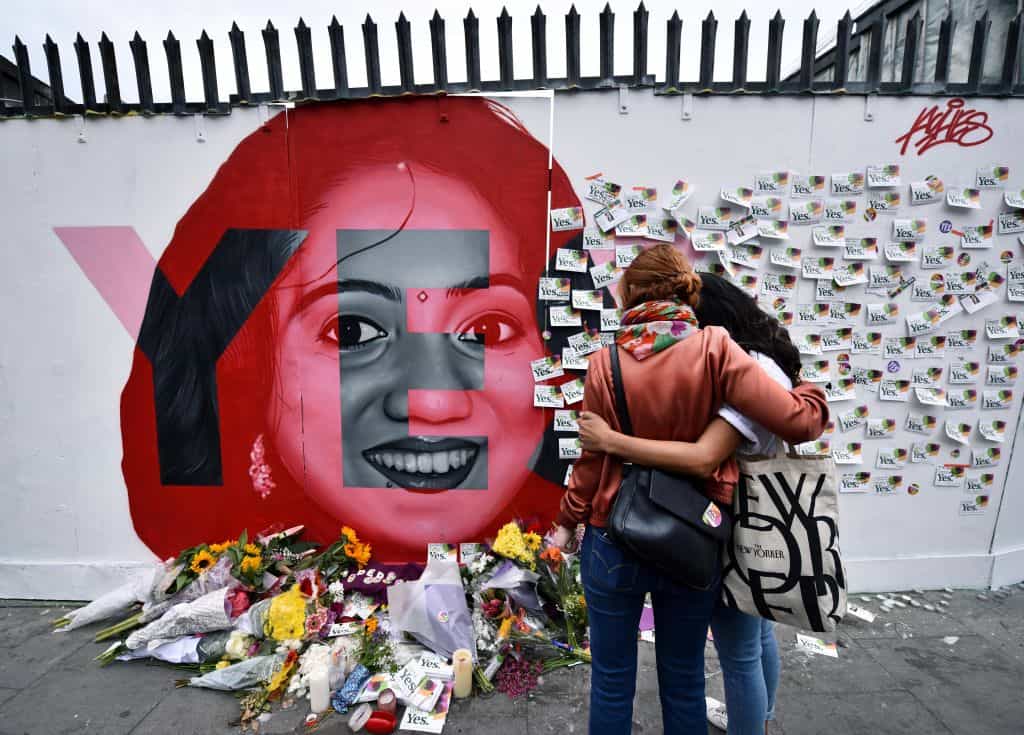
In 1992, the Health (Family Planning) (Amendment) Act, allowed the sale of contraceptives in Ireland without a prescription. In 2018, the Eight Amendment was finally repealed in a landslide referendum. In 2019, coercive control became illegal in Ireland. Most recently, in 2022, a Zero Tolerance plan on domestic, sexual, and gender-based violence was introduced. As incredible as this progress is, it shouldn't stop us from pushing for more because we still have so far to go. We can celebrate our achievements and the progress we've made on International Women's Day, but we can also use this day to fight for more. Director of the National Women's Council, Orla O'Connor said it is time for the government to prioritise "real gender equality". The government needs to act now in order to make this country a safe and equal place for women.
“Care is one of the issues which we have worked on since our 1973 inception. As a society, we must start properly valuing care. That means having decent pay and working conditions for carers and a social welfare system that ensures they have an adequate standard of living. It means supporting women and men to combine unpaid care with paid employment through better, paid family leave and accessible, affordable, quality childcare. And it means meeting the support needs of disabled people of all ages, of older people, and of people with illnesses.”
Director of the National Women's Council, Orla O'Connor said it is time for the government to prioritise "real gender equality". The government needs to act now in order to make this country a safe and equal place for women.
“Care is one of the issues which we have worked on since our 1973 inception. As a society, we must start properly valuing care. That means having decent pay and working conditions for carers and a social welfare system that ensures they have an adequate standard of living. It means supporting women and men to combine unpaid care with paid employment through better, paid family leave and accessible, affordable, quality childcare. And it means meeting the support needs of disabled people of all ages, of older people, and of people with illnesses.”
Health Care
The women of Ireland are incredibly privileged when it comes to health care, but that doesn't mean we should stop fighting. The recent introduction of free contraception for women and people with a uterus aged 17 to 26 is a welcome change. Lidl Ireland has supported many people in period poverty by offering free period products, but it simply isn't enough. Period products should be free for all people with periods. Women of all ages should be given free contraception. If the Government is willing to spend €4,000,000 on the Spire then why can't it introduce a free period initiative?We made strides when we repealed the 8th Amendment in 2018, but Ireland's abortion laws are still highly restrictive. According to the National Women's Council, 12 women a week are still travelling for abortion care. A worrying 1 in 5 women are experiencing mental health difficulties during and after pregnancy, but how can we seek support when it isn't there? Too many of us are familiar with the difficulties of trying to get a GP appointment in Ireland. Many of us have sat in a doctor's office and been told to 'go for a walk' after revealing our mental health struggles. Not only do we need better healthcare for women, but we also need healthcare professionals to take us seriously."Not only do we need better healthcare for women, but we also need healthcare professionals to take us seriously."

Work
The girl-boss era fooled us into thinking women are equals in the career world. Unfortunately, no amount of inspirational quotes or 'empowering' phrases on notebooks can trick us into believing women have the same career opportunities as men. Did you know 24% of senior leadership roles are occupied by women, compared with 76% of men? Women also only make up a measly 22% of the Dáil, a statistic that places Ireland below China and Iraq for women’s representation. Her.ie recently revealed that the gender pay gap has risen to 12.6%, with the migrant gender pay gap at 30%. On average, men are paid more than women in 91% of Irish entities that released their gender pay gap reports. Susan Dwyer of Rise Up stressed, “We all know women make great leaders, this is not up for debate. It’s about what companies are doing to nurture, develop and retain this talent. This is what we need to focus on.”"There are solutions to each of these barriers to women’s equality. The government must prioritise them for real gender equality."
Violence Against Women
Women in Ireland don't feel safe. I never have and fear I never will. People claim Ireland has recently become more dangerous but has this country ever been a safe place for women? According to Women's Aid, one in four women in Ireland who have been in a relationship has been abused by a current or former partner. 14% of women have experienced physical violence by a partner (current or former) since age 15. 6% of women have experienced sexual violence. 31% of women have experienced psychological violence by a current or former partner since age 15. Orla O'Connor of NWC stressed that the government needs to act now to end violence against women. "To end violence against women, the government must resource and implement the Zero Tolerance Strategy, starting with providing enough refuge beds to meet the demand." The women of Ireland deserve better. We need to use our voices to make this a country where we feel safe, where we're treated equally and one we're proud to call home. This isn't a fight just for women. Every person on this island should be using their voice to make this a safer country for women. We owe it to future generations and the women who came before us. We need to keep fighting for marginalised women, for Traveller women, for women who aren't ready to speak up, for women who cling to their keys walking home at night, for trans women, for refugees who have come to Ireland with hope. We owe it to the 239 women killed in Ireland since 1996. We owe it to Ashling Murphy. We owe it to Savita Halappanavar. We owe it to Veronica Guerin. We owe it to Anastasia Kriégel. We owe it to Bruna Fonseca. We owe it to every single person who identifies as a woman on this island.Explore more on these topics: