parenting
Share
Having fewer toys leads to better play, a new study has revealed
Published 08:00 15 May 2021 BST
Updated 13:18 13 May 2021 BST
 Add us as a preferred source on Google »
Does your child have a room full of toys?
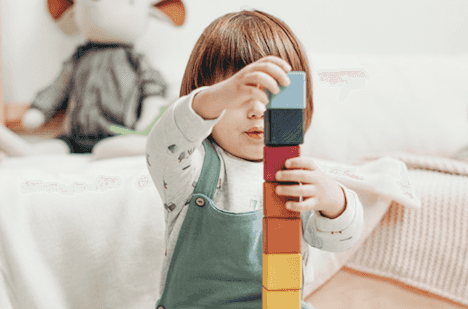
It's hard to control the toy situation if you have young children – trust me; I know. Of course you want to make sure that they – within reason – get what the asked for Christmas, birthdays and everything else (which, for younger kids, tend to be toys, toys and more toys). But then, if you have family and relatives that also give them presents, chances are, come the birthday, you are literally wading knee-deep in brightly coloured plastic. It can all be a bit much. And the thing is; when it comes to kids and toys, a major study has now shown that actually; children don't need a lot of toys. In fact, the study, published recently in Infant Behavior and Development, gives credence to the notion that toddlers play better when they have fewer toys.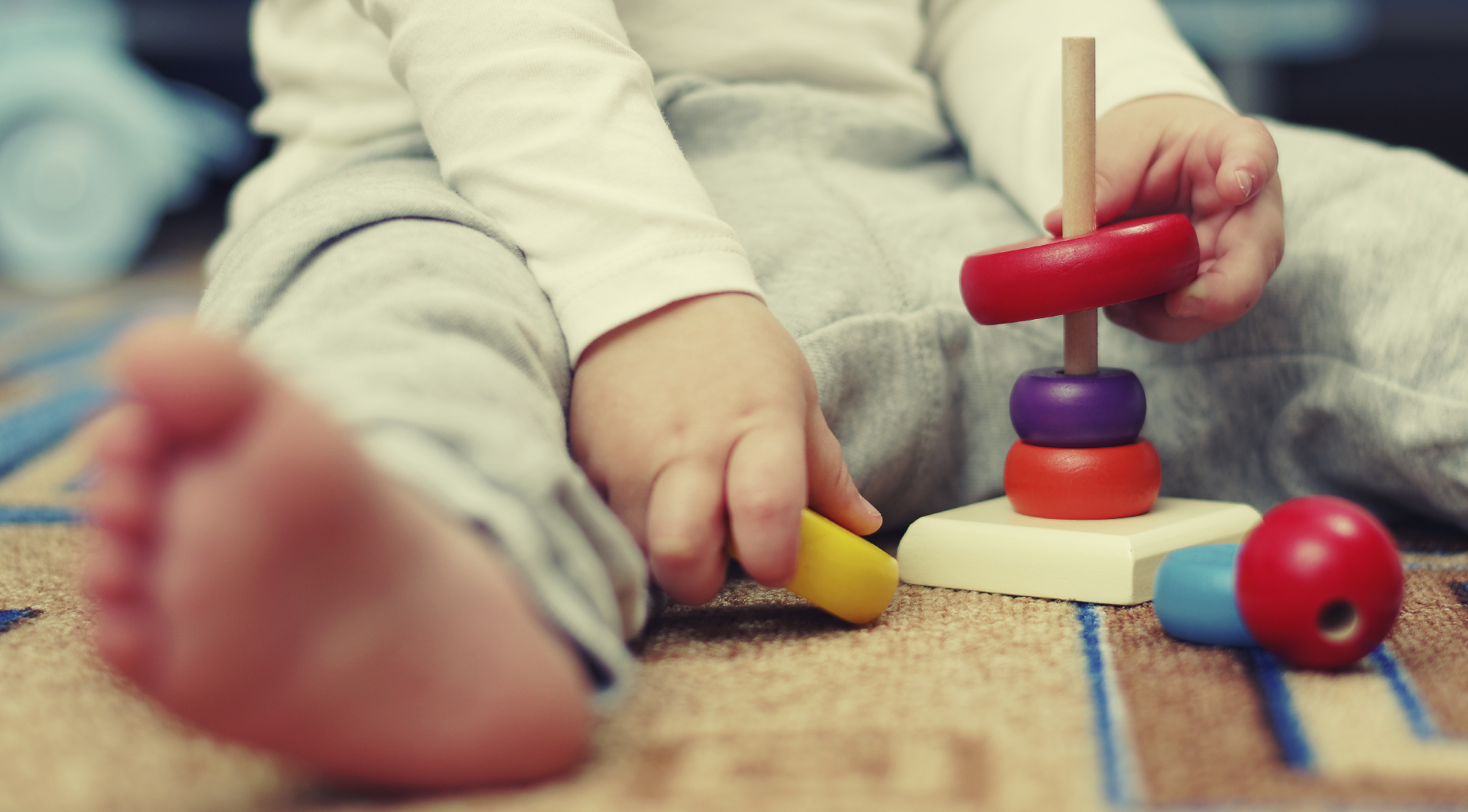 “It’s kind of a story of less is more,” study co-author, Alexia E. Metz, Ph.D., an associate professor of occupational therapy at the University of Toledo, says to Working Mother.
To conduct the study, brave researchers at the University of Toledo gave toddlers ages 18 to 30 months either four or 16 toys—and observed what happened next.
“They did play better, if we qualify it as longer incidences of play and with more creativity, when there were only four toys in the room,” Dr Metz explains. “When there were 16, they’d just bounce from toy to toy, and they were sort of superficial in the way they explored it and then move on to the next.”
Interestingly, when they only had four toys available, the children engaged in more types of play in general, and though it wasn't addressed in the paper, it also seemed like they engaged in more sophisticated play too, according to Dr Metz.
While Metz admitted the conclusions are limited—after all, the researchers didn’t observe toddlers at home, bouncing around with their 5 million Hot Wheels cars, it does indeed provide a bit of motivation if you’re looking to downsize the toy boxes in your home.
“We decided to do the study because we have some reservations about little kids being referred to as attention deficit, when it may be that they’re just immature in their development,” she says.
“They’re just at a natural stage in their development, and then we plunk them down into this overwhelming environment. Our study doesn’t say that’s what’s happening, but it suggests that one of your first passes when you’re concerned about attention deficit [with your kids] is to simplify their environment.”
“It’s kind of a story of less is more,” study co-author, Alexia E. Metz, Ph.D., an associate professor of occupational therapy at the University of Toledo, says to Working Mother.
To conduct the study, brave researchers at the University of Toledo gave toddlers ages 18 to 30 months either four or 16 toys—and observed what happened next.
“They did play better, if we qualify it as longer incidences of play and with more creativity, when there were only four toys in the room,” Dr Metz explains. “When there were 16, they’d just bounce from toy to toy, and they were sort of superficial in the way they explored it and then move on to the next.”
Interestingly, when they only had four toys available, the children engaged in more types of play in general, and though it wasn't addressed in the paper, it also seemed like they engaged in more sophisticated play too, according to Dr Metz.
While Metz admitted the conclusions are limited—after all, the researchers didn’t observe toddlers at home, bouncing around with their 5 million Hot Wheels cars, it does indeed provide a bit of motivation if you’re looking to downsize the toy boxes in your home.
“We decided to do the study because we have some reservations about little kids being referred to as attention deficit, when it may be that they’re just immature in their development,” she says.
“They’re just at a natural stage in their development, and then we plunk them down into this overwhelming environment. Our study doesn’t say that’s what’s happening, but it suggests that one of your first passes when you’re concerned about attention deficit [with your kids] is to simplify their environment.”