parenting
Share
This Is What You All Had To Say About THAT Sophie La Girafe Story Today
Published 21:44 16 Jan 2017 GMT
Updated 21:57 16 Jan 2017 GMT
 Add us as a preferred source on Google »
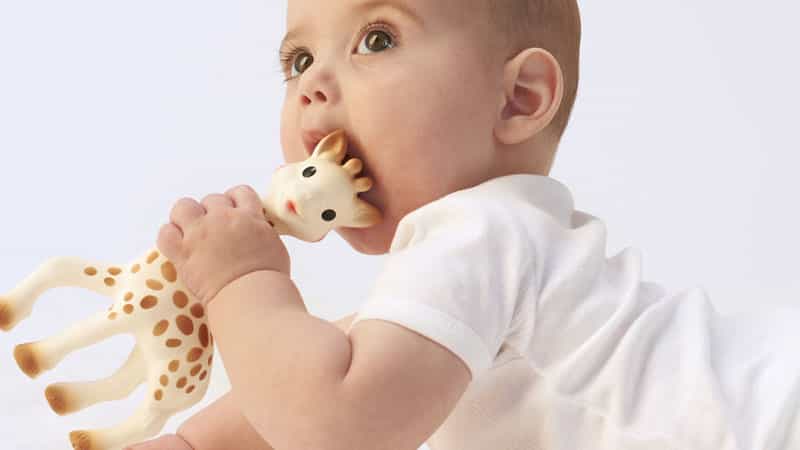
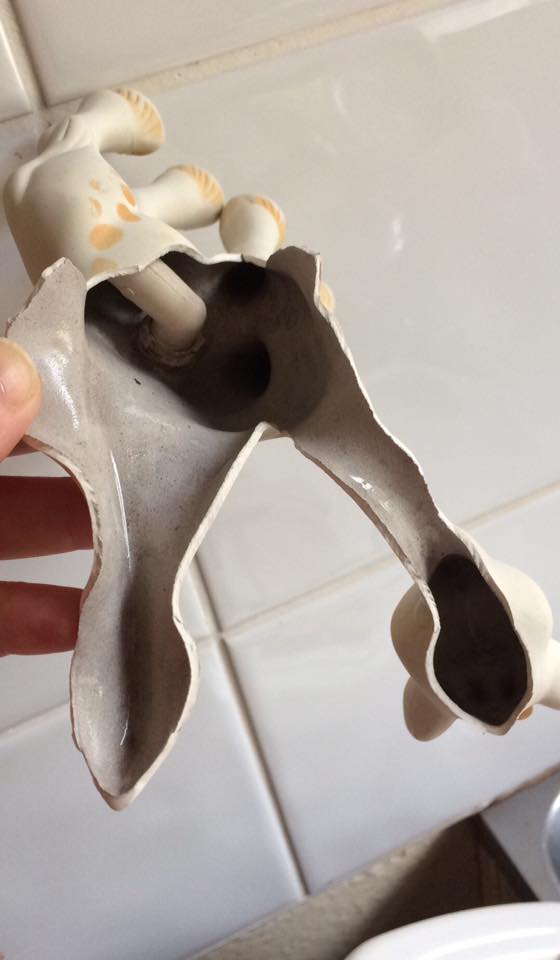
Today, our Sophie La Girafe story and how parents across the world have discovered that this popular baby teething toy can become infested with mould inside pretty much broke the internet.
Comments on the story have been flooding in all day, but opinion has been very much divided. While many were shocked to see photos of the mould lurking inside toys they have been handing to their babies to chew on, others were giving out about how people had clearly not read the instructions properly, because it specifically says you do have to clean the toys and how.
And all the while, across the land, rubber giraffes met their maker today as concerned mums and dads cut off legs and long necks in a desperate hunt for tell-tale signs of mould and mildew.
Yikes.
Here are some of the (well over a thousand) comments the article received:
"I'm cutting one open later..."
"I put mine in dishwasher every day and squeezed the water out!! Never considered it would grow mould in it!! A simple wipe would have been better!! I would love to see one without the hole in it! I think they have a teething ring shaped one! Might get that instead!!!"
 "I had to throw out bath toys with this problem!! Stinking!"
"So disgusting - we got rid of our floating bath toys for this very reason. Could see that the cute little rubber ducks were blackening on the inside with no way of giving them a decent scrub so in the bin they went!!"<
"Of course if you let your baby chunk it for 2 years and you have holes and infiltration on it...what should you expect!"
"Bye bye Sophie!"
"RIP Sophie!"
Others were less surprised at this – and more shocked that so many were not aware that they have to clean teething toys like these in the first place:
"Ours are spotless because I sterilise them and wash them PROPERLY."
"What a waste! Obviously how u clean & dry them.. I'd imagine 2 years too long to have also!"
"I had to throw out bath toys with this problem!! Stinking!"
"So disgusting - we got rid of our floating bath toys for this very reason. Could see that the cute little rubber ducks were blackening on the inside with no way of giving them a decent scrub so in the bin they went!!"<
"Of course if you let your baby chunk it for 2 years and you have holes and infiltration on it...what should you expect!"
"Bye bye Sophie!"
"RIP Sophie!"
Others were less surprised at this – and more shocked that so many were not aware that they have to clean teething toys like these in the first place:
"Ours are spotless because I sterilise them and wash them PROPERLY."
"What a waste! Obviously how u clean & dry them.. I'd imagine 2 years too long to have also!"
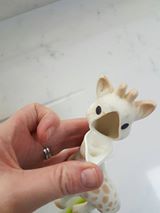 "She should automatically be sterilised when doing bottles or soothers or any other teething products, that's every day... common sense really...."
"Seriously people CLEAN!!!! The toy. Put it in water with Milton and squeeze it and rinse it. It's really not that hard!!!!"
"Bath toys are worse! I haven't bought them since baby number one and I held a toy up to the daylight (after washing!). You could see the black on the inside."
One reader had a great tip for another Sophie la Girafe product – which is much easier to keep clean:
"Just to let everyone know, these ones have no holes in them and are not filled with air so nothing can get inside and are completely safe I sterilise my daughters one in her bottles steriliser or in a bowl filled with hot water and it's absolutely fine."
"She should automatically be sterilised when doing bottles or soothers or any other teething products, that's every day... common sense really...."
"Seriously people CLEAN!!!! The toy. Put it in water with Milton and squeeze it and rinse it. It's really not that hard!!!!"
"Bath toys are worse! I haven't bought them since baby number one and I held a toy up to the daylight (after washing!). You could see the black on the inside."
One reader had a great tip for another Sophie la Girafe product – which is much easier to keep clean:
"Just to let everyone know, these ones have no holes in them and are not filled with air so nothing can get inside and are completely safe I sterilise my daughters one in her bottles steriliser or in a bowl filled with hot water and it's absolutely fine."
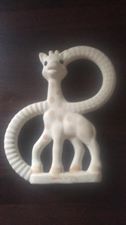 Others gave us great tips on how to check for mould without sacrificing Sophie:
"I did check Sophie the giraffe inserting a toothpick wraped in paper on the hole and it came out clean, I'll do the same with the bath toys so if the paper is clean it won't be need to cut them in two parts."
Follow cleaning instructions
Obviously, the manufacturers do mention on the packaging that Sophie needs to be cleaned – and this goes for any plastic toys subjected to water, whether from the bath or just your baby drooling.
But it has become clear to us both from our story today, as well as many other international websites which have also covered the story today, that many were unaware of this, and even more felt unsure of just how to go about cleaning this toy.
To help you out, here is a handy how-to guide that will help you keep your Sophie in mint condition:
https://www.youtube.com/watch?v=rXVacXHKeS4
It is also worth to draw attention to what we also mentioned in the piece in the first place; that mould inside plastic toys is, to most parents, not something to be overly concerned about.
"Dr. Lyuba Konopasek, an Assistant Professor of Pediatrics at New York Presbyterian/Weil Cornell Medical Center recently explained to Care.com that exposure to mould in toys is usually not something to be too alarmed about, unless your child has a immune disorder and is allergic to mould."
Did YOU catch the original story this morning? Here is the link:
Others gave us great tips on how to check for mould without sacrificing Sophie:
"I did check Sophie the giraffe inserting a toothpick wraped in paper on the hole and it came out clean, I'll do the same with the bath toys so if the paper is clean it won't be need to cut them in two parts."
Follow cleaning instructions
Obviously, the manufacturers do mention on the packaging that Sophie needs to be cleaned – and this goes for any plastic toys subjected to water, whether from the bath or just your baby drooling.
But it has become clear to us both from our story today, as well as many other international websites which have also covered the story today, that many were unaware of this, and even more felt unsure of just how to go about cleaning this toy.
To help you out, here is a handy how-to guide that will help you keep your Sophie in mint condition:
https://www.youtube.com/watch?v=rXVacXHKeS4
It is also worth to draw attention to what we also mentioned in the piece in the first place; that mould inside plastic toys is, to most parents, not something to be overly concerned about.
"Dr. Lyuba Konopasek, an Assistant Professor of Pediatrics at New York Presbyterian/Weil Cornell Medical Center recently explained to Care.com that exposure to mould in toys is usually not something to be too alarmed about, unless your child has a immune disorder and is allergic to mould."
Did YOU catch the original story this morning? Here is the link:
"I had to throw out bath toys with this problem!! Stinking!"
"So disgusting - we got rid of our floating bath toys for this very reason. Could see that the cute little rubber ducks were blackening on the inside with no way of giving them a decent scrub so in the bin they went!!"<
"Of course if you let your baby chunk it for 2 years and you have holes and infiltration on it...what should you expect!"
"Bye bye Sophie!"
"RIP Sophie!"
Others were less surprised at this – and more shocked that so many were not aware that they have to clean teething toys like these in the first place:
"Ours are spotless because I sterilise them and wash them PROPERLY."
"What a waste! Obviously how u clean & dry them.. I'd imagine 2 years too long to have also!"
"She should automatically be sterilised when doing bottles or soothers or any other teething products, that's every day... common sense really...."
"Seriously people CLEAN!!!! The toy. Put it in water with Milton and squeeze it and rinse it. It's really not that hard!!!!"
"Bath toys are worse! I haven't bought them since baby number one and I held a toy up to the daylight (after washing!). You could see the black on the inside."
One reader had a great tip for another Sophie la Girafe product – which is much easier to keep clean:
"Just to let everyone know, these ones have no holes in them and are not filled with air so nothing can get inside and are completely safe I sterilise my daughters one in her bottles steriliser or in a bowl filled with hot water and it's absolutely fine."
Others gave us great tips on how to check for mould without sacrificing Sophie:
"I did check Sophie the giraffe inserting a toothpick wraped in paper on the hole and it came out clean, I'll do the same with the bath toys so if the paper is clean it won't be need to cut them in two parts."
Follow cleaning instructions
Obviously, the manufacturers do mention on the packaging that Sophie needs to be cleaned – and this goes for any plastic toys subjected to water, whether from the bath or just your baby drooling.
But it has become clear to us both from our story today, as well as many other international websites which have also covered the story today, that many were unaware of this, and even more felt unsure of just how to go about cleaning this toy.
To help you out, here is a handy how-to guide that will help you keep your Sophie in mint condition:
https://www.youtube.com/watch?v=rXVacXHKeS4
It is also worth to draw attention to what we also mentioned in the piece in the first place; that mould inside plastic toys is, to most parents, not something to be overly concerned about.
"Dr. Lyuba Konopasek, an Assistant Professor of Pediatrics at New York Presbyterian/Weil Cornell Medical Center recently explained to Care.com that exposure to mould in toys is usually not something to be too alarmed about, unless your child has a immune disorder and is allergic to mould."
Did YOU catch the original story this morning? Here is the link:
Explore more on these topics: