health
Share
The 12 HOTTEST Health Trends Of 2017 Are Here
Published 09:57 21 Nov 2016 GMT
Updated 14:27 21 Nov 2016 GMT
 Add us as a preferred source on Google »
Are you completely over spinning? Are you tired of quinoa? Have you reached peak avocado?
If last year's health trends are starting to grate, fear not: there's a raft of brand new fads coming your way in 2017.
Here's what the experts are predicting...
1. Cauliflower (in all forms)
Cauliflower is amazingly versatile. You can pulse raw florets in a food processor to make cauliflower ‘rice’, steam it and blend to make a delicious mash, or just remove the leaves, shove it in the oven and bake it whole. It’s low in carbs and calories and high in fibre, vitamin C, folate and potassium. It also contains compounds called glucosinolates, which are thought to have anti-cancer activity.
2. Omega 3 from algae
Along with the 2017 trend of all things ‘natural’, there are themes of ‘environmentally friendly’ and ‘sustainability’. With this in mind, there is a real concern about the sustainability of fish due to over farming of our oceans. Omega 3 from algae allows us to have the benefits of healthy fats without affecting the fish stock.
3. Essential oils make a big comeback
Essential oils are about to return to popularity in line with the 2017 theme of ‘natural’ and ‘holistic’ products.
“Essentials oils are packed with vitamins, amino acids and anti oxidants so they won’t dry your skin." says Skincare Expert, Sonja Dymalowski at What Skin Needs. "Instead, they can smooth fine lines and heal blemishes at the same time."
Go for natural products, such as new What Skin Needs Hydrating Facial Serum, which combines Aloe Vera and Plantolin essential oils or try Irish natural skincare brand Modern Botany, whose multi-tasking oil is causing a stir among beauty editors.
 4. Tiger nuts
Tiger nuts are a small root vegetable that grows in the Mediterranean and Africa. They’re a traditional food in these areas and have been eaten as far back as the Stone Age. Tiger nut milk is also a traditional drink in Spain.
“Tiger nuts are commonly found in the form of tiger nut flour – great alternative gluten-free, grain-free flour that can be used in baking or cooking and that’s suitable for all types of diets from vegan to Paleo to nut-free." explains nutritionist Cassandra Barns. "Tiger nuts are high in fibre and contain calcium, iron, magnesium and potassium, amongst other valuable nutrients.”
5. Chewable probiotics for dental care
People are getting more and more concerned about their teeth and their dental health. One way to help prevent any infections and the build up of bacteria is by taking probiotics in a chewable form. Cassandra explains, “As well as taking care of our intestinal health, friendly bacteria also live in our mouth and help to take care of our teeth and gums too. For this reason, chewable probiotics could help to keep our oral health in check.”
6. Probiotic water
We’ve seen probiotic yoghurts, supplements and even probiotic chocolate has found a niche in the market. Now probiotic water is proving popular too, as another way to naturally help our gut. “Tablets are out. Different ways of getting our supplements are in." explains Shona Wilkinson, Nutritionist at Superfooduk. Food and drink are becoming functional – this trend is an example of how we can get the goodness of water with the added health benefits of probiotics.”
4. Tiger nuts
Tiger nuts are a small root vegetable that grows in the Mediterranean and Africa. They’re a traditional food in these areas and have been eaten as far back as the Stone Age. Tiger nut milk is also a traditional drink in Spain.
“Tiger nuts are commonly found in the form of tiger nut flour – great alternative gluten-free, grain-free flour that can be used in baking or cooking and that’s suitable for all types of diets from vegan to Paleo to nut-free." explains nutritionist Cassandra Barns. "Tiger nuts are high in fibre and contain calcium, iron, magnesium and potassium, amongst other valuable nutrients.”
5. Chewable probiotics for dental care
People are getting more and more concerned about their teeth and their dental health. One way to help prevent any infections and the build up of bacteria is by taking probiotics in a chewable form. Cassandra explains, “As well as taking care of our intestinal health, friendly bacteria also live in our mouth and help to take care of our teeth and gums too. For this reason, chewable probiotics could help to keep our oral health in check.”
6. Probiotic water
We’ve seen probiotic yoghurts, supplements and even probiotic chocolate has found a niche in the market. Now probiotic water is proving popular too, as another way to naturally help our gut. “Tablets are out. Different ways of getting our supplements are in." explains Shona Wilkinson, Nutritionist at Superfooduk. Food and drink are becoming functional – this trend is an example of how we can get the goodness of water with the added health benefits of probiotics.”
 7. Super-spices
After years of 'superfoods' like avocado and quinoa reigning, it's time to pass the crown to... super-spices! Turmeric is one of the most powerful. It contains Curcumin, which has potent antioxidant and anti-inflammatory properties. Curcumin has also been shown to help relieve the pain of arthritis, injuries and even dental procedures! Lily Soutter, Nutritionist and weight loss expert says, “Trying to detox? Spice up your dishes with turmeric to help the liver function properly. It stimulates production of bile by the gallbladder that is used by liver to filter and expel toxins. You can also take turmeric supplements with the active Curcumin for similar effect."
8. Filipino cuisine
Whilst Thai and Vietnamese foods are known throughout the Western world, Filipino food has been slower to catch on. However, this may all change during 2017, when the Filipino cuisine is set to become more popular. Lily says, “There are many healthy and flavoursome choices available such as Paket – a vegetable dish full of spices, adobo – meat marinated in vinegar and soy sauce, Ginataang – a fish stew, roasted lemon grass chicken as well as Tortang Talong – an aubergine and egg based breakfast.”
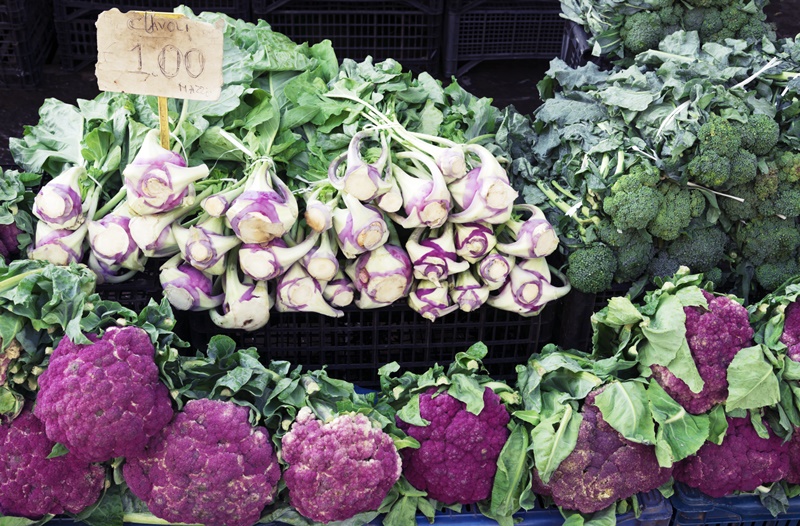
9. Purple foods
The future of modern cuisine is purple! Why? They pack a powerful disease-prevention-punch! Lily explains that, “Purple kale, purple carrots, purple cauliflower, purple broccoli and the purple potato are all amazingly rich in anthocyanins. Anthocyanins are the antioxidant responsible for their purple colour and have amazing disease fighting properties. They can soothe inflammation as well as boost immune function. Lastly, anthocyanins have also been shown to improve memory and brain function.”
7. Super-spices
After years of 'superfoods' like avocado and quinoa reigning, it's time to pass the crown to... super-spices! Turmeric is one of the most powerful. It contains Curcumin, which has potent antioxidant and anti-inflammatory properties. Curcumin has also been shown to help relieve the pain of arthritis, injuries and even dental procedures! Lily Soutter, Nutritionist and weight loss expert says, “Trying to detox? Spice up your dishes with turmeric to help the liver function properly. It stimulates production of bile by the gallbladder that is used by liver to filter and expel toxins. You can also take turmeric supplements with the active Curcumin for similar effect."
8. Filipino cuisine
Whilst Thai and Vietnamese foods are known throughout the Western world, Filipino food has been slower to catch on. However, this may all change during 2017, when the Filipino cuisine is set to become more popular. Lily says, “There are many healthy and flavoursome choices available such as Paket – a vegetable dish full of spices, adobo – meat marinated in vinegar and soy sauce, Ginataang – a fish stew, roasted lemon grass chicken as well as Tortang Talong – an aubergine and egg based breakfast.”
9. Purple foods
The future of modern cuisine is purple! Why? They pack a powerful disease-prevention-punch! Lily explains that, “Purple kale, purple carrots, purple cauliflower, purple broccoli and the purple potato are all amazingly rich in anthocyanins. Anthocyanins are the antioxidant responsible for their purple colour and have amazing disease fighting properties. They can soothe inflammation as well as boost immune function. Lastly, anthocyanins have also been shown to improve memory and brain function.”
 10. Everything sparkling! Including teas
Drinks with a fizz are gaining popularity by the day and this trend is being translated into health drinks too. Sparkling sugar free infused waters are starting to appear and there's even a sparkling matcha tea.
11. Watermelon water as new coconut water
Watermelon water is taken from the whole juice of a watermelon. Cassandra says, “Like coconut water, it contains natural electrolyte minerals. It’s especially high in potassium, which has the benefit of keeping our blood pressure in a healthy range. It also contains lycopene – one of the most powerful and protective antioxidants found in plants.”
12. The Scandinavian approach
Most of us need a better work-life balance. Stress is a primary cause of ill health, both short and long-term. Scandinavian countries are renowned for their amazing work-life balance. Sweden has introduced a six-hour workday during winter months, giving employees a chance to leave work before dark, as well as enough time to too rest and recuperate. Lily says "Shorter working hours may potentially boost morale and health among employees, which can ultimately, increased work productivity."
10. Everything sparkling! Including teas
Drinks with a fizz are gaining popularity by the day and this trend is being translated into health drinks too. Sparkling sugar free infused waters are starting to appear and there's even a sparkling matcha tea.
11. Watermelon water as new coconut water
Watermelon water is taken from the whole juice of a watermelon. Cassandra says, “Like coconut water, it contains natural electrolyte minerals. It’s especially high in potassium, which has the benefit of keeping our blood pressure in a healthy range. It also contains lycopene – one of the most powerful and protective antioxidants found in plants.”
12. The Scandinavian approach
Most of us need a better work-life balance. Stress is a primary cause of ill health, both short and long-term. Scandinavian countries are renowned for their amazing work-life balance. Sweden has introduced a six-hour workday during winter months, giving employees a chance to leave work before dark, as well as enough time to too rest and recuperate. Lily says "Shorter working hours may potentially boost morale and health among employees, which can ultimately, increased work productivity."
 Are you already au fait with one of these up and coming health trends? Let us know which ones you swear by on Twitter @herFamilydotie.
4. Tiger nuts
Tiger nuts are a small root vegetable that grows in the Mediterranean and Africa. They’re a traditional food in these areas and have been eaten as far back as the Stone Age. Tiger nut milk is also a traditional drink in Spain.
“Tiger nuts are commonly found in the form of tiger nut flour – great alternative gluten-free, grain-free flour that can be used in baking or cooking and that’s suitable for all types of diets from vegan to Paleo to nut-free." explains nutritionist Cassandra Barns. "Tiger nuts are high in fibre and contain calcium, iron, magnesium and potassium, amongst other valuable nutrients.”
5. Chewable probiotics for dental care
People are getting more and more concerned about their teeth and their dental health. One way to help prevent any infections and the build up of bacteria is by taking probiotics in a chewable form. Cassandra explains, “As well as taking care of our intestinal health, friendly bacteria also live in our mouth and help to take care of our teeth and gums too. For this reason, chewable probiotics could help to keep our oral health in check.”
6. Probiotic water
We’ve seen probiotic yoghurts, supplements and even probiotic chocolate has found a niche in the market. Now probiotic water is proving popular too, as another way to naturally help our gut. “Tablets are out. Different ways of getting our supplements are in." explains Shona Wilkinson, Nutritionist at Superfooduk. Food and drink are becoming functional – this trend is an example of how we can get the goodness of water with the added health benefits of probiotics.”
7. Super-spices
After years of 'superfoods' like avocado and quinoa reigning, it's time to pass the crown to... super-spices! Turmeric is one of the most powerful. It contains Curcumin, which has potent antioxidant and anti-inflammatory properties. Curcumin has also been shown to help relieve the pain of arthritis, injuries and even dental procedures! Lily Soutter, Nutritionist and weight loss expert says, “Trying to detox? Spice up your dishes with turmeric to help the liver function properly. It stimulates production of bile by the gallbladder that is used by liver to filter and expel toxins. You can also take turmeric supplements with the active Curcumin for similar effect."
8. Filipino cuisine
Whilst Thai and Vietnamese foods are known throughout the Western world, Filipino food has been slower to catch on. However, this may all change during 2017, when the Filipino cuisine is set to become more popular. Lily says, “There are many healthy and flavoursome choices available such as Paket – a vegetable dish full of spices, adobo – meat marinated in vinegar and soy sauce, Ginataang – a fish stew, roasted lemon grass chicken as well as Tortang Talong – an aubergine and egg based breakfast.”
9. Purple foods
The future of modern cuisine is purple! Why? They pack a powerful disease-prevention-punch! Lily explains that, “Purple kale, purple carrots, purple cauliflower, purple broccoli and the purple potato are all amazingly rich in anthocyanins. Anthocyanins are the antioxidant responsible for their purple colour and have amazing disease fighting properties. They can soothe inflammation as well as boost immune function. Lastly, anthocyanins have also been shown to improve memory and brain function.”
10. Everything sparkling! Including teas
Drinks with a fizz are gaining popularity by the day and this trend is being translated into health drinks too. Sparkling sugar free infused waters are starting to appear and there's even a sparkling matcha tea.
11. Watermelon water as new coconut water
Watermelon water is taken from the whole juice of a watermelon. Cassandra says, “Like coconut water, it contains natural electrolyte minerals. It’s especially high in potassium, which has the benefit of keeping our blood pressure in a healthy range. It also contains lycopene – one of the most powerful and protective antioxidants found in plants.”
12. The Scandinavian approach
Most of us need a better work-life balance. Stress is a primary cause of ill health, both short and long-term. Scandinavian countries are renowned for their amazing work-life balance. Sweden has introduced a six-hour workday during winter months, giving employees a chance to leave work before dark, as well as enough time to too rest and recuperate. Lily says "Shorter working hours may potentially boost morale and health among employees, which can ultimately, increased work productivity."
Are you already au fait with one of these up and coming health trends? Let us know which ones you swear by on Twitter @herFamilydotie.
Explore more on these topics: