health
Share
Around 16 percent of people in Ireland suffer from OAB, so what exactly is it?
Published 11:00 14 Jan 2020 GMT
 Add us as a preferred source on Google »
Brought to you by Astellas
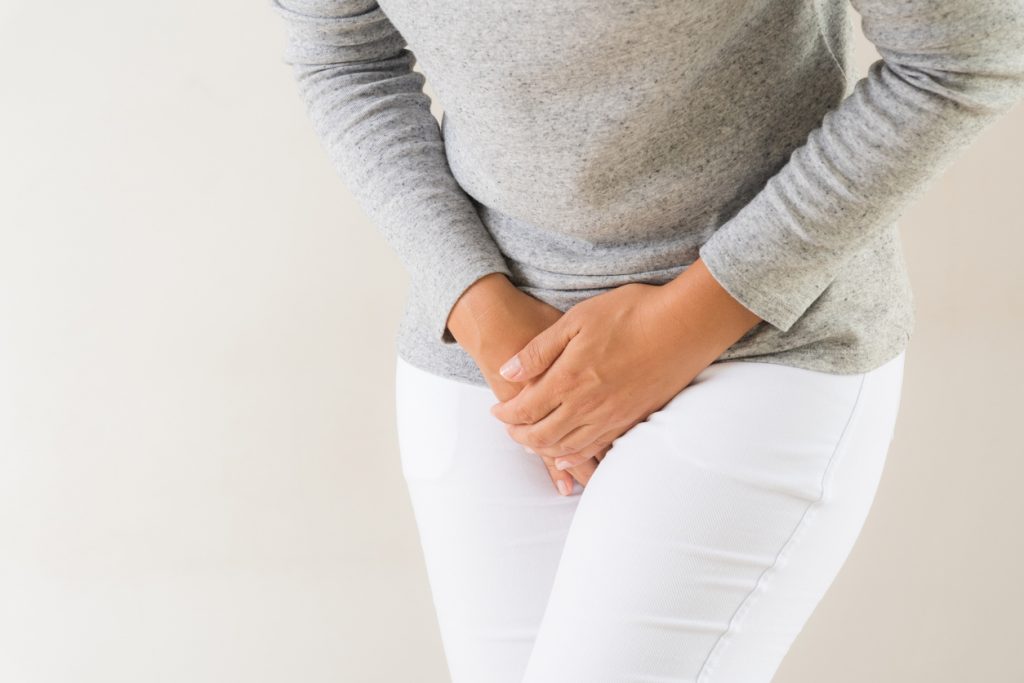 It's these contractions that cause the symptoms of OAB which includes having the sense of urgency to pass urine, frequently needing to use the toilet (eight or more times a day, two or more times at night) and in some cases having accidental leakage due to not reaching a toilet on time.
There's also urge incontinence which is different to OAB. This occurs when a person might be able to make it to the toilet on time but may also urgently need to urinate and may make frequent trips to the bathroom.
These unexpected trips to the toilet, day and night, can really have an effect on a person's life. In time, OAB can occur after this.
Although the exact cause of the involuntary contractions associated with OAB is unknown, it's so important that those suffering from OAB know that they don't have to tolerate daily disruptions that can so easily have a negative impact on their everyday lives.
There's no need to feel embarrassed about this common condition either. Help is available, in the form of advice, bladder training, pelvic floor exercises and medication. Plus, with the right help, you'll soon be able to take back control and feel a whole lot more confident.
So be sure to visit OAB.ie and see your GP.
Brought to you by Astellas
The 2019 #InControl national campaign has been launched by Astellas to improve public awareness of the medical condition overactive bladder (OAB) and encourage more women and men aged 40+ in Ireland to stop tolerating the daily disruption of OAB symptoms. For more information about OAB, visit www.OAB.ie or consult your local GP.
It's these contractions that cause the symptoms of OAB which includes having the sense of urgency to pass urine, frequently needing to use the toilet (eight or more times a day, two or more times at night) and in some cases having accidental leakage due to not reaching a toilet on time.
There's also urge incontinence which is different to OAB. This occurs when a person might be able to make it to the toilet on time but may also urgently need to urinate and may make frequent trips to the bathroom.
These unexpected trips to the toilet, day and night, can really have an effect on a person's life. In time, OAB can occur after this.
Although the exact cause of the involuntary contractions associated with OAB is unknown, it's so important that those suffering from OAB know that they don't have to tolerate daily disruptions that can so easily have a negative impact on their everyday lives.
There's no need to feel embarrassed about this common condition either. Help is available, in the form of advice, bladder training, pelvic floor exercises and medication. Plus, with the right help, you'll soon be able to take back control and feel a whole lot more confident.
So be sure to visit OAB.ie and see your GP.
Brought to you by Astellas
The 2019 #InControl national campaign has been launched by Astellas to improve public awareness of the medical condition overactive bladder (OAB) and encourage more women and men aged 40+ in Ireland to stop tolerating the daily disruption of OAB symptoms. For more information about OAB, visit www.OAB.ie or consult your local GP.
Overactive bladder (OAB) disrupts more lives than you might think.
In Ireland alone, it affects approximately 350,000 people over the age of 401 while a quarter of people have a friend or family member that suffers from it.2 Twenty percent of undiagnosed sufferers don't go to their doctor because they don't believe anything can be done to relieve symptoms.3 However, that's not actually the case. OAB is a medical condition that affects the way our bladder behaves. It causes the bladder to work overtime, meaning involuntary and sudden contractions or squeezing of the muscles happen in the wall of the bladder, even when the volume of urine in the bladder is low. It's believed to be a situation where the bladder muscles give the brain the wrong message causing the bladder to feel fuller than it really is. It's this involuntary contraction that creates that urgent need to urinate, leaving a person with OAB much less in control over when their bladder contracts to pass urine.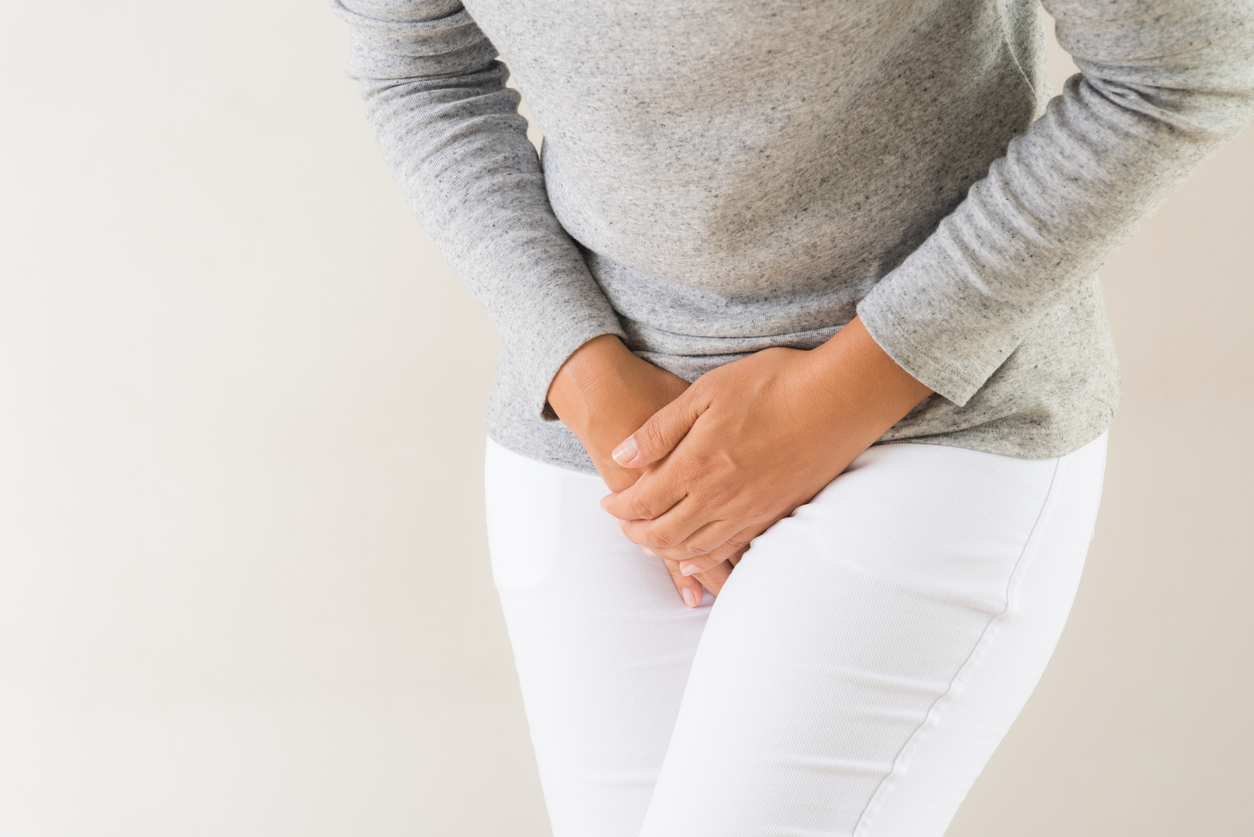 It's these contractions that cause the symptoms of OAB which includes having the sense of urgency to pass urine, frequently needing to use the toilet (eight or more times a day, two or more times at night) and in some cases having accidental leakage due to not reaching a toilet on time.
There's also urge incontinence which is different to OAB. This occurs when a person might be able to make it to the toilet on time but may also urgently need to urinate and may make frequent trips to the bathroom.
These unexpected trips to the toilet, day and night, can really have an effect on a person's life. In time, OAB can occur after this.
Although the exact cause of the involuntary contractions associated with OAB is unknown, it's so important that those suffering from OAB know that they don't have to tolerate daily disruptions that can so easily have a negative impact on their everyday lives.
There's no need to feel embarrassed about this common condition either. Help is available, in the form of advice, bladder training, pelvic floor exercises and medication. Plus, with the right help, you'll soon be able to take back control and feel a whole lot more confident.
So be sure to visit OAB.ie and see your GP.
Brought to you by Astellas
The 2019 #InControl national campaign has been launched by Astellas to improve public awareness of the medical condition overactive bladder (OAB) and encourage more women and men aged 40+ in Ireland to stop tolerating the daily disruption of OAB symptoms. For more information about OAB, visit www.OAB.ie or consult your local GP.
It's these contractions that cause the symptoms of OAB which includes having the sense of urgency to pass urine, frequently needing to use the toilet (eight or more times a day, two or more times at night) and in some cases having accidental leakage due to not reaching a toilet on time.
There's also urge incontinence which is different to OAB. This occurs when a person might be able to make it to the toilet on time but may also urgently need to urinate and may make frequent trips to the bathroom.
These unexpected trips to the toilet, day and night, can really have an effect on a person's life. In time, OAB can occur after this.
Although the exact cause of the involuntary contractions associated with OAB is unknown, it's so important that those suffering from OAB know that they don't have to tolerate daily disruptions that can so easily have a negative impact on their everyday lives.
There's no need to feel embarrassed about this common condition either. Help is available, in the form of advice, bladder training, pelvic floor exercises and medication. Plus, with the right help, you'll soon be able to take back control and feel a whole lot more confident.
So be sure to visit OAB.ie and see your GP.
Brought to you by Astellas
The 2019 #InControl national campaign has been launched by Astellas to improve public awareness of the medical condition overactive bladder (OAB) and encourage more women and men aged 40+ in Ireland to stop tolerating the daily disruption of OAB symptoms. For more information about OAB, visit www.OAB.ie or consult your local GP.
1. Source: Milsom et al. How Widespread are the Symptoms of OAB? BJU Intl. 2001; 87: 760-766
2. Source: Astellas / iReach Overactive Bladder (OAB) National Representative Study August 2019
3. Source: ‘Astellas Understanding the OAB patient journey – Ireland country report December 2017’. Research conducted by Astellas and Incite in 2017
Explore more on these topics: