health
Share
“Chickenpox almost killed my litte boy” One Irish mum’s heartfelt campaign
Published 14:53 13 Jul 2017 BST
Updated 16:10 9 Nov 2017 GMT
 Add us as a preferred source on Google »
This week, the chickenpox vaccination became available in the UK for the first time amid controversy that its temporary effects could cause a rise in adult shingles.
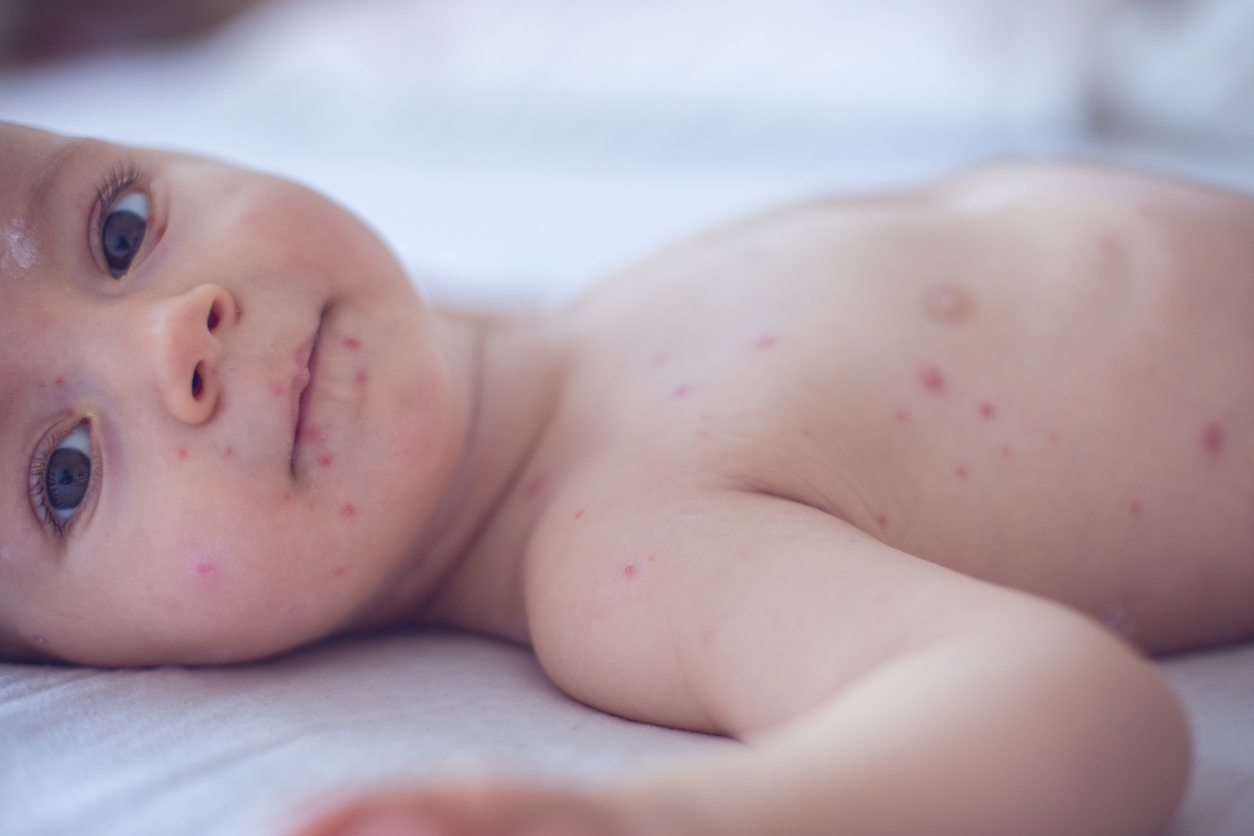
With news recently breaking that UK pharmacy chain Superdrug have become the first high street retailer to offer the chickenpox vaccination, the jab remains a source of debate for many Irish parents.
To jab or not to jab?
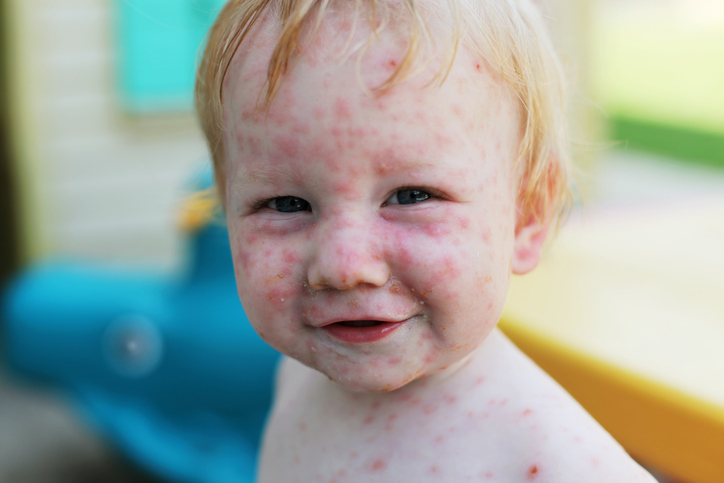
Chickenpox, also known as varicella, is a highly contagious and sometimes serious disease caused by the varicella-zoster virus. In people who are not vaccinated, it typically causes a blister-like rash, itching, fatigue, and fever. The vaccine is not currently offered by the HSE as part of the routine childhood vaccination schedule. However, many campaigners claim it could make the highly contagious common childhood virus a thing of the past and avoid potential complications such as meningitis and pneumonia.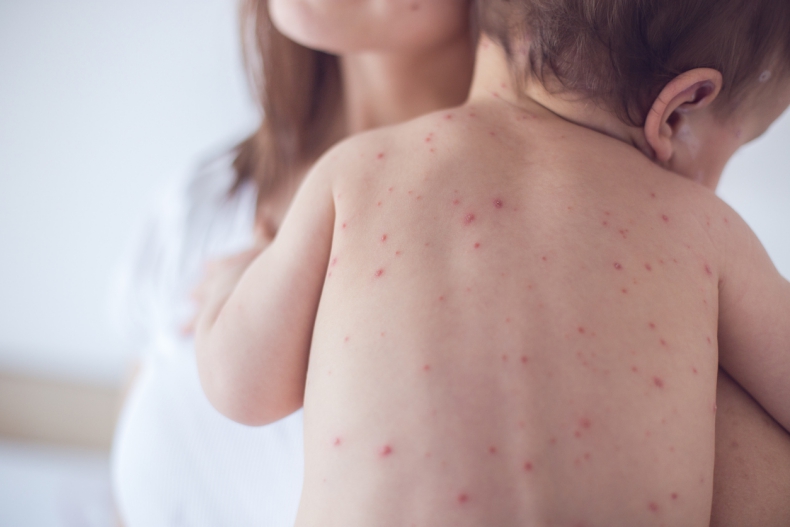 The vaccine is currently listed on the World Health Organisation’s List of Essential Medicines and routine vaccination against varicella zoster virus is the norm in many other countries around the globe. For example, before the vaccine was available in the US in 1995, around four million people contracted chickenpox each year, according to the Centre for Disease Control and Prevention (CDC). Almost 11,000 people were hospitalised annually, and 100 to 150 people died as a result of the virus.
American figures have demonstrated a 93 percent decrease in hospitalisations for chickenpox in 2012, compared to the period before the vaccine was introduced. During the two-dose varicella vaccination period (from 2006-2012), hospitalisations declined 38 percent and outpatient visits for the illness also dropped significantly (by 84 percent).
The vaccine is currently listed on the World Health Organisation’s List of Essential Medicines and routine vaccination against varicella zoster virus is the norm in many other countries around the globe. For example, before the vaccine was available in the US in 1995, around four million people contracted chickenpox each year, according to the Centre for Disease Control and Prevention (CDC). Almost 11,000 people were hospitalised annually, and 100 to 150 people died as a result of the virus.
American figures have demonstrated a 93 percent decrease in hospitalisations for chickenpox in 2012, compared to the period before the vaccine was introduced. During the two-dose varicella vaccination period (from 2006-2012), hospitalisations declined 38 percent and outpatient visits for the illness also dropped significantly (by 84 percent).
Irish mum's vaccination campaign
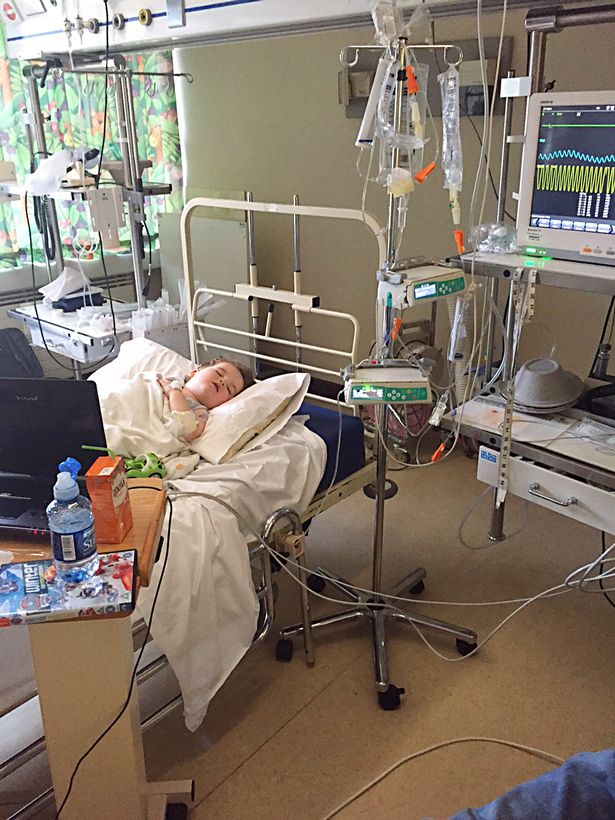
Image: Sarah Cummins (HerFamily/Provided)
Mum-of-two Sarah Cummins, from Newbridge in Co Kildare, has been a vocal campaigner for the vaccine to be made routine in Ireland since her son Louis almost died as a result of the virus. The toddler ended up in the High Dependency Unit of The National Children's Hospital, Tallaght for a two-week period with Cellulitis, a severe skin infection caused by chicken pox. Sarah told HerFamily that they were initially told to expect the worst:"It started with just a few spots, I did all the things you're usually told to do with camomile lotion and so on - although the doctors later told me that can cause scars and actually make things worse. When he went into hospital his abdomen was swollen and he was in agony. I thought he was going to die, they told us the next 48 hours would be critical but his body had gone into shock and we were prepared for the worst."Salon-owner Sarah says that little Louis has been left with both physical and emotional scars as a result of the ordeal:
"He still has nightmares and night terrors about it, the physical scars are there but so are the emotional and mental scars - and for me too. I still get emotional talking about it, I thought my little boy was going to die."Sarah's older son Oscar also contracted the virus shortly after his brother Louis, who thankfully made a full recovery and will be heading off to big school in September.

Image: Sarah Cummins (HerFamily/Provided)
The busy mum is still actively campaigning for routine vaccination and says people aren't being fully informed about the risks of the contagious disease:"We were lucky but I still tell people all the time to get the vaccine for their children. It shouldn't take a child's life for it to be offered routinely."
How effective is the vaccine?
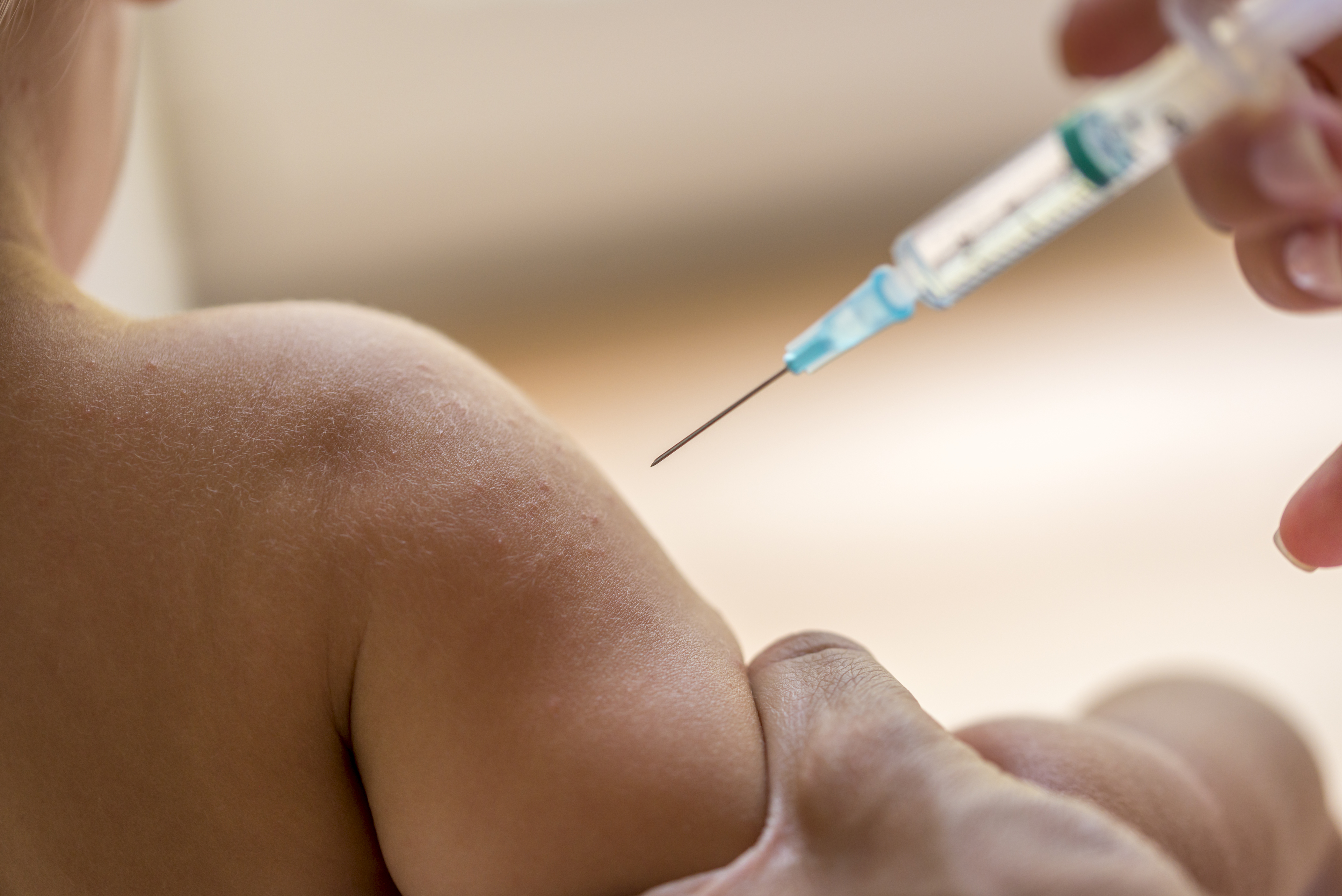 It has been shown that nine out of ten children vaccinated with a single dose will develop immunity against chickenpox. A two-dose schedule is now recommended for all, as it gives a better immune response. Despite the fact that the vaccine's effectiveness is lower (with an efficacy of about 75 percent) in those over 13 years of age, the HSE are still advising 'at risk' groups to get the vaccination, which costs around €90:
"The chickenpox vaccine contains a small amount of the live weakened varicella zoster virus that causes your immune system to produce antibodies that will help protect against chickenpox. The vaccine is recommended for individuals who are likely to come into contact with people in at-risk groups, in order to reduce the risk of the individuals spreading the infection to those at risk. For example, if you were having chemotherapy treatment, it would be recommended that non-immune children be given the chickenpox vaccination. Or if you were about to start work in a radiotherapy department and you had no previous history of chickenpox, the vaccine would be recommended."
Are there any side effects?
 The most common side effect of the chickenpox vaccine is soreness and redness around the injection site, which develops in around one in five children and one in four teenagers and adults. The HSE says that serious side effects, such as anaphylaxis, are rare and occur in less than one in 100,000 vaccination cases:
"Millions of doses of the vaccine have been given and there is no evidence of any increased risk of developing a long-term health condition as a result of the vaccination. Children can be vaccinated from 14 months onwards. The chickenpox vaccine must be given at least a month after other vaccines so we recommend giving it a month after your baby has the 12-month and 13-month vaccines, but it can be given any time after this too. We recommend two doses at least one month apart."
Explore more on these topics: