health
Share
Signs and symptoms of lice and how to quickly treat your kids
Published 12:21 10 Oct 2023 BST
 Add us as a preferred source on Google »
Head lice aren't picky despite what you may have heard.
Clean hair, unwashed hair, it doesn't matter if they can make it a home they'll jump on in and set up shop without a second thought. But how do you know your child has headlice and what can you do to treat it? Itching: The first sign and possibly the easiest to spot is your child itching and scratching their head, due to a reaction from the saliva of the lice. Though not a surefire way to tell as it may take a few weeks before they have any irritation but they might complain of a tickling sensation on their scalp. [caption id="attachment_434578" align="aligncenter" width="640"]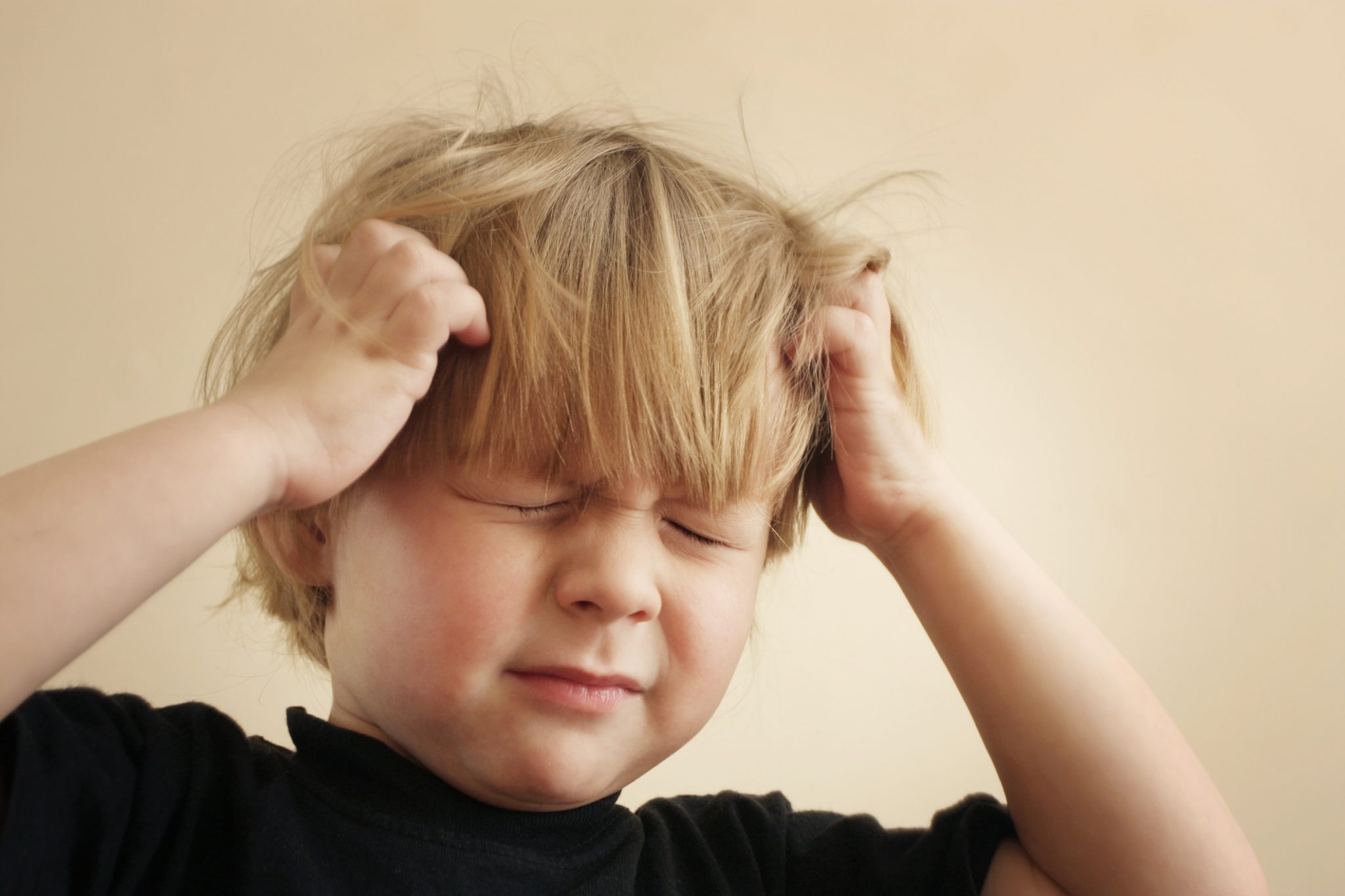 Credit: Getty[/caption]
Red bumps or sores: While some kids will only have a mild irritation from scratching for others it can develop into a bothersome rash.
If your child does develop these bumps or sores keep an eye on them as they can sometimes become infected with bacteria requiring an antibiotic to clear them up.
Lice eggs: Also known as nits, they look like small yellow-brown coloured dots that are attached to the shaft of the hair near the scalp.
Though they may look like dandruff, these eggs won't be removed by shaking or brushing them off.
Lice eggs hatch 1–2 weeks after they're laid. Once hatched, the remaining shell looks white or clear and stays attached to the hair shaft.
This is when it's easiest to see them, as the hair is growing longer and the eggshell is moving away from the scalp.
[caption id="attachment_434579" align="aligncenter" width="640"]
Credit: Getty[/caption]
Red bumps or sores: While some kids will only have a mild irritation from scratching for others it can develop into a bothersome rash.
If your child does develop these bumps or sores keep an eye on them as they can sometimes become infected with bacteria requiring an antibiotic to clear them up.
Lice eggs: Also known as nits, they look like small yellow-brown coloured dots that are attached to the shaft of the hair near the scalp.
Though they may look like dandruff, these eggs won't be removed by shaking or brushing them off.
Lice eggs hatch 1–2 weeks after they're laid. Once hatched, the remaining shell looks white or clear and stays attached to the hair shaft.
This is when it's easiest to see them, as the hair is growing longer and the eggshell is moving away from the scalp.
[caption id="attachment_434579" align="aligncenter" width="640"]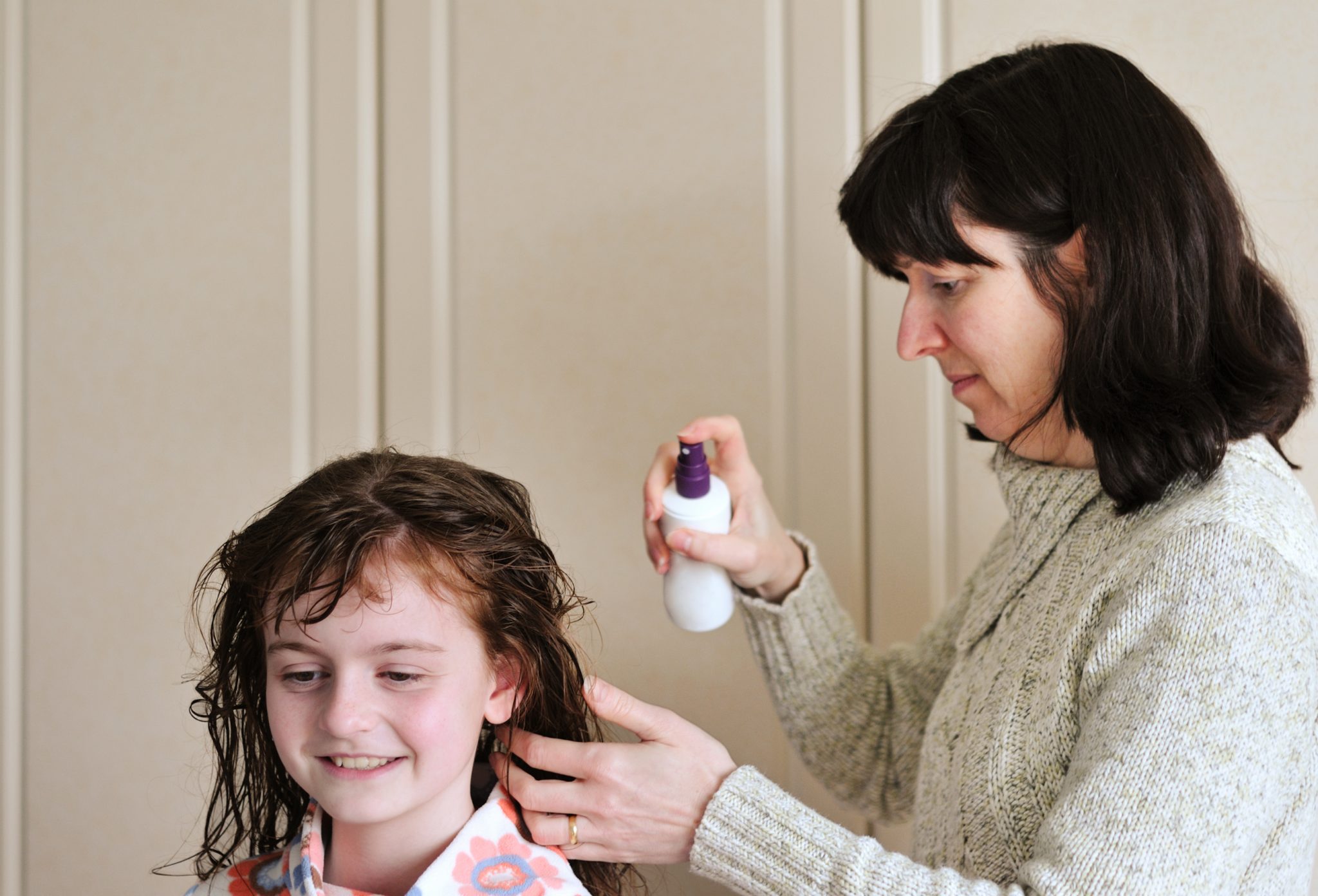 Credit: Getty[/caption]
Lice: Adult lice are no bigger than a sesame seed and are typically a grey-white or tan colour. The young lice are known as nymphs and later become adults about two to three weeks after they hatch.
This life cycle repeats itself roughly every three weeks. You may be able to see them at this point but they are still quite difficult to catch as they're small, avoid light and move quickly.
Thankfully there are many ways to treat head lice with most of them being available over the counter at your local pharmacy.
Yet before you go out and buy any of these the HSE recommends you try a technique called wet combing, but what is wet combing and how do you do it?
[caption id="attachment_434580" align="aligncenter" width="641"]
Credit: Getty[/caption]
Lice: Adult lice are no bigger than a sesame seed and are typically a grey-white or tan colour. The young lice are known as nymphs and later become adults about two to three weeks after they hatch.
This life cycle repeats itself roughly every three weeks. You may be able to see them at this point but they are still quite difficult to catch as they're small, avoid light and move quickly.
Thankfully there are many ways to treat head lice with most of them being available over the counter at your local pharmacy.
Yet before you go out and buy any of these the HSE recommends you try a technique called wet combing, but what is wet combing and how do you do it?
[caption id="attachment_434580" align="aligncenter" width="641"]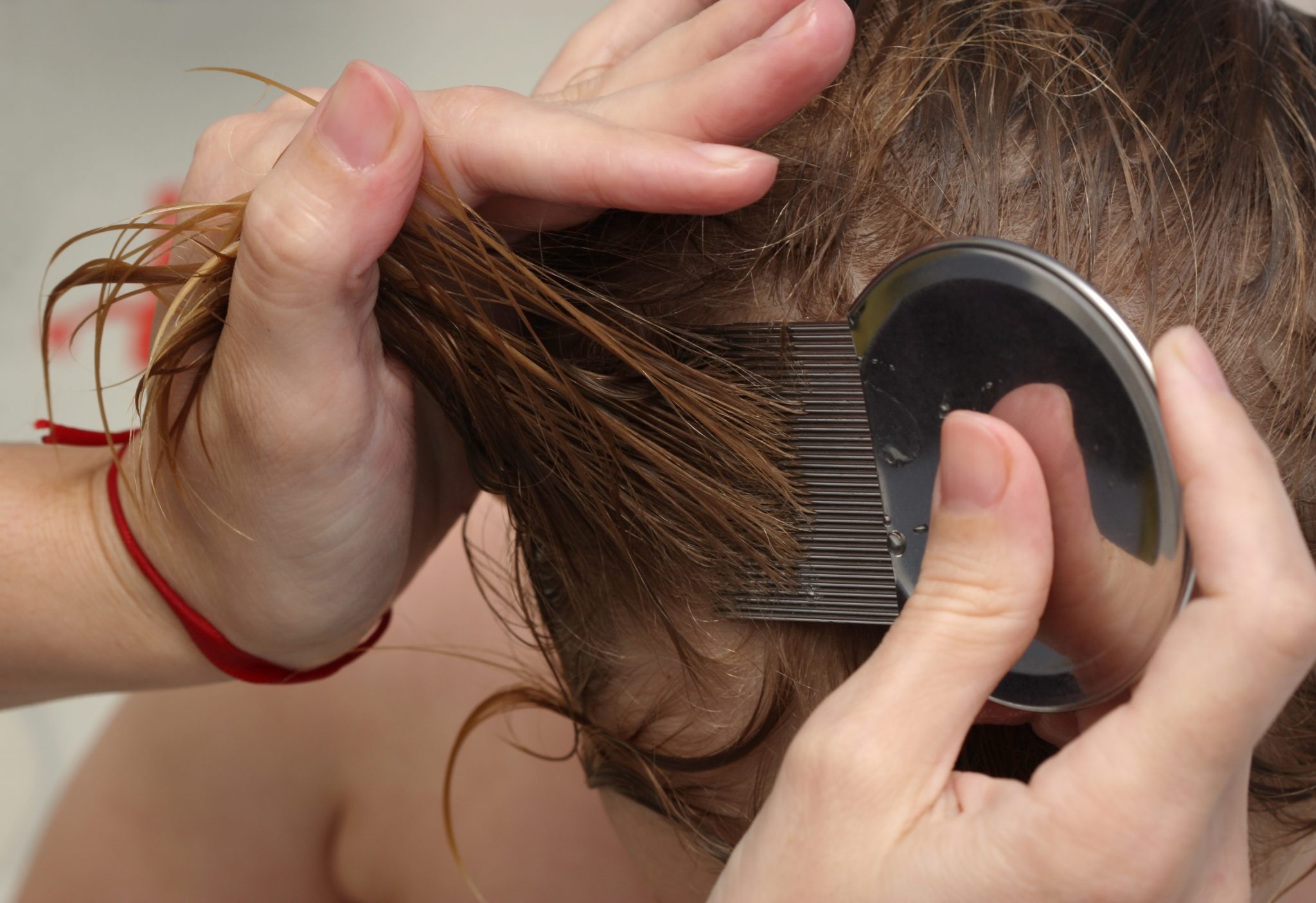 Credit: Getty[/caption]
Wet combing: To do this you need a special fine-toothed comb (detection comb) which you can buy online or from pharmacies.
Each comb will generally come with a set of instructions to follow but most of the time they will tell you to use the product on wet or dry hair - but it usually works best on wet hair with conditioner.
Make sure you comb the whole head from root to tip and repeat the process every few days for the next two weeks.
Credit: Getty[/caption]
Wet combing: To do this you need a special fine-toothed comb (detection comb) which you can buy online or from pharmacies.
Each comb will generally come with a set of instructions to follow but most of the time they will tell you to use the product on wet or dry hair - but it usually works best on wet hair with conditioner.
Make sure you comb the whole head from root to tip and repeat the process every few days for the next two weeks.