parenting
Share
If your child is sleep-deprived, they’re ‘more likely to reach for high calorie foods’
Published 17:15 14 Aug 2018 BST
Updated 18:52 14 Aug 2018 BST
 Add us as a preferred source on Google »
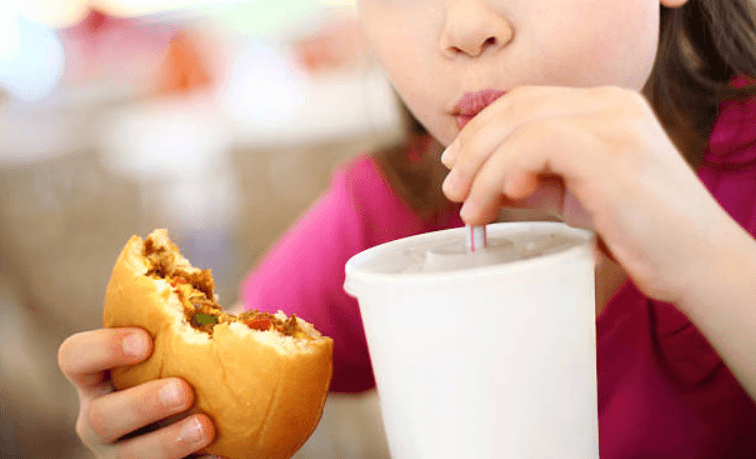
Late nights and erratic sleeping habits don't just make kids grumpy in the morning, they also make them more likely to be tempted by junk food.
According to a study published in the International Journal of Obesity, kids who get less than 11 hours of sleep per night were more eager to eat a favourite snack when reminded of it then children who slept for 11 hours or more.“There is now accumulating evidence in both children and adults to suggest that short or insufficient sleep increases reward-driven ('hedonic') eating,” lead author of the study Laura McDonald of the University College London told Reuters Health. “This is, of course, a concern,” she added, “given that we live in a modern ‘obesogenic’ environment” where tasty, high-calorie foods “are widely available and cheap to consume.”While previous studies have proven a link between lack of sleep and obesity or a high BMI, this is the first study to investigate the link between calorie intake and sleep patterns. So what to do if your child rarely sleeps through the night? McDonald recommends keeping snacks out of sight: “In children who do not get enough sleep at night, limiting exposure to palatable food cues in the home might be helpful at preventing overconsumption,” she said.
Explore more on these topics: