news
Share
This is why you should avoid falling asleep before taking off
Published 12:34 8 Sept 2017 BST
 Add us as a preferred source on Google »
As mamas know, trying to entertain children on a plane isn't always the easiest of tasks.
You might breathe a sigh of relief when they nod off but it's best to avoid falling asleep until you're up in the air as snoozing pre take-off can have medical-related repercussions. When the plane takes off (and lands), there is a significant change in the air pressure and if you're asleep, this can prove problematic for your eardrums as they don't 'pop' as they should. In conversation with Express, pharmacist Angela Chalmers explained how the levels of air pressure in the cabin can have an impact on one's hearing."A quick change in altitude affects the air pressure in the ear. This leads to a vacuum in the Eustachian tubes which makes the ears feel blocked and sound dull".
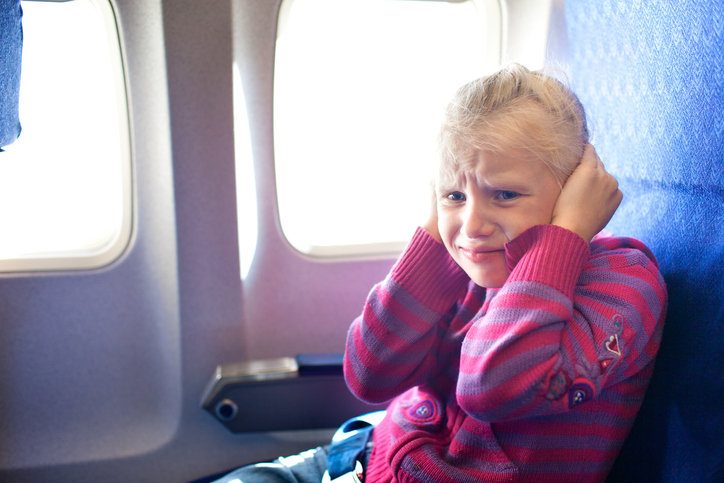 Angela then went on to say that she recommends avoiding a snooze before take-off and also waking up before landing so that your hearing doesn't suffer any long-term damage.
"Try not to sleep during takeoff and descent as you will not be swallowing as frequently and this can lead to blocked ears".If you're not awake to allow your ears "to pop", then this can result in dizziness, ear infections and in some cases, nosebleeds and even loss of hearing. Some people find that taking off and landing can be extremely sore and in this case, you may need to take extra steps to help your ears to adjust to the change in pressure. Chewing gum, sucking sweets, blowing your nose and swallowing can help in this situation. With this in mind, you might want to stop your little ones from falling asleep next time you head on a family holiday.