early years
Share
Sleep expert offers advice to combat early rising toddlers
Published 13:14 6 Jun 2021 BST
Updated 12:50 6 Jun 2023 BST
 Add us as a preferred source on Google »
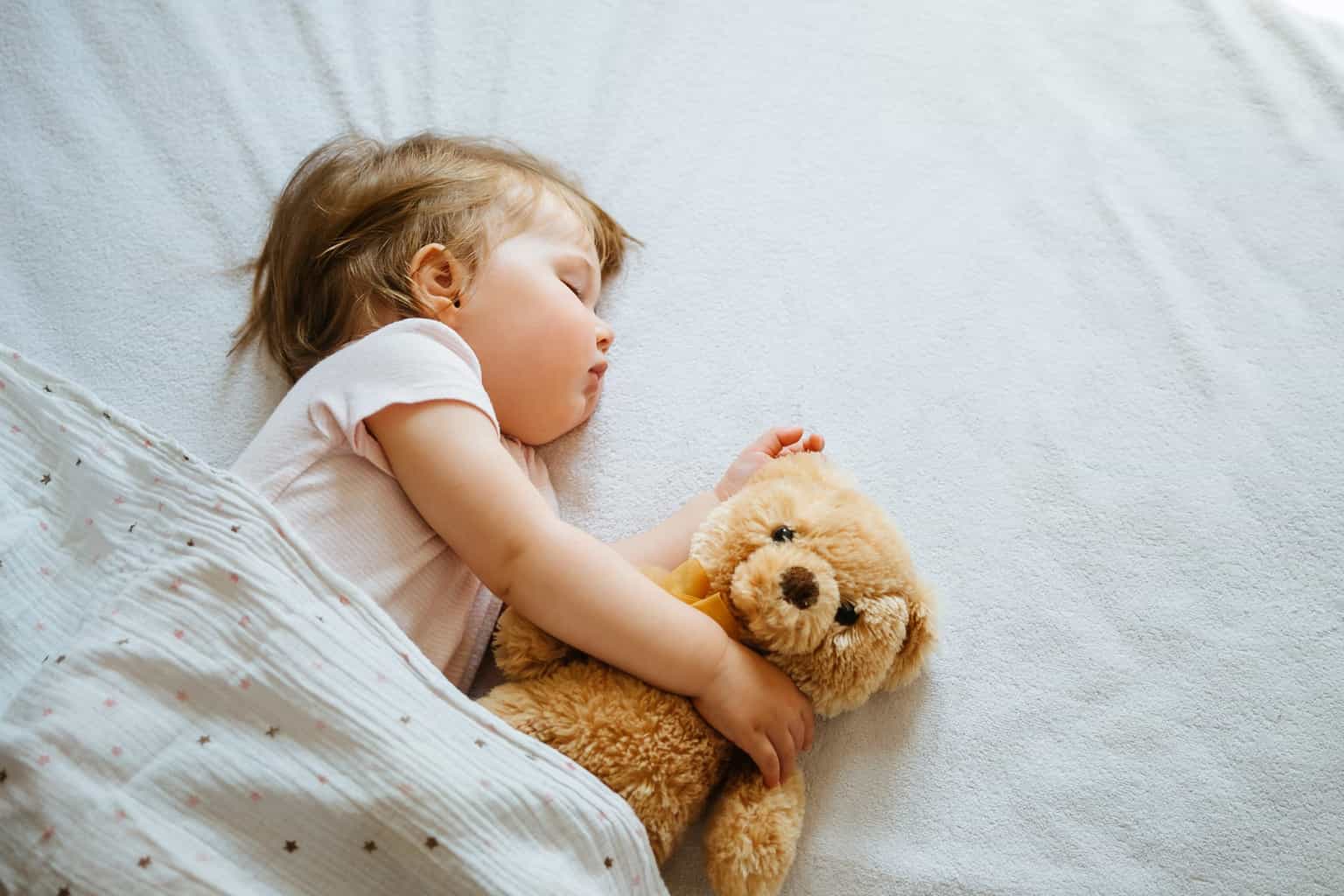
Kids under 2 tend to need 11 to 14 hours of sleep per day.
Summer is well and truly here and while our children might not be on their holidays just yet, anyone with a toddler knows getting up early isn't limited to just this time of year. Whether you're off work this time a year or not, some toddlers have a tendency to disrupt their parents' summer lie on by waking them up at 5 am. It can often feel like having your very own pet rooster, who just has to crow the moment the sun starts to rise. If you've got a toddler who just can't sleep past 5 am then fear not. One sleep expert has shared the most helpful tips that will guarantee you an extra couple of hours of shut-eye. Dr Sharryn Gardner told The Sun that younger children's body clocks are different from ours so they tend to wake up earlier naturally. They also hate playing alone so their natural instinct is to wake up their siblings or caregiver. One thing she recommended was to invest in some blackout blinds: “These can be very useful for getting children to sleep in summer when it may still be light outside and will stop the sun from waking them up at dawn.”
Another helpful tip is to encourage kids to play by themselves in the morning. You can help by leaving their favourite teddy or toy near their bed the night before.
She also recommended telling your child they can only get up once it is a certain time.
"You could also try covering up a clock in their room with paper and cutting out a small square over the number 6 or 7, depending on what time they should be staying in bed until. You can then explain to your child that until they see the big hand appear in the window, it’s not time to get up yet."
This will help them associate certain times with their daily routine.
One thing she recommended was to invest in some blackout blinds: “These can be very useful for getting children to sleep in summer when it may still be light outside and will stop the sun from waking them up at dawn.”
Another helpful tip is to encourage kids to play by themselves in the morning. You can help by leaving their favourite teddy or toy near their bed the night before.
She also recommended telling your child they can only get up once it is a certain time.
"You could also try covering up a clock in their room with paper and cutting out a small square over the number 6 or 7, depending on what time they should be staying in bed until. You can then explain to your child that until they see the big hand appear in the window, it’s not time to get up yet."
This will help them associate certain times with their daily routine.
 Other things like avoiding sugar before bed, using white noise machines, ensuring the temperature in the room is comfortable can also help.
However, one of the best things a caregiver can do is to stick to a routine so the children have stable bedtimes. This is harder to do when they're not in school, especially with plans changing every day, but it is worth it.
She urged parents to avoid letting children nap in the middle of the day, "The length and frequency of naps should reduce as babies get older, often moving from 2-3 a day to just one in the afternoon."
Children under the age of 2 tend to need 11 to 14 hours of sleep per day, but if your child is going through a bad sleeping pattern then don't worry, Dr Sharryn says the sleep patterns of toddlers change quickly.
Other things like avoiding sugar before bed, using white noise machines, ensuring the temperature in the room is comfortable can also help.
However, one of the best things a caregiver can do is to stick to a routine so the children have stable bedtimes. This is harder to do when they're not in school, especially with plans changing every day, but it is worth it.
She urged parents to avoid letting children nap in the middle of the day, "The length and frequency of naps should reduce as babies get older, often moving from 2-3 a day to just one in the afternoon."
Children under the age of 2 tend to need 11 to 14 hours of sleep per day, but if your child is going through a bad sleeping pattern then don't worry, Dr Sharryn says the sleep patterns of toddlers change quickly.
READ MORE
Experts share advice for parents ahead of state exams
Pete Doherty welcomes baby girl with wife Katia de Vidas
Britney Spears tries to mend relationship with teen son before he moves to Hawaii
Geordie Shore star Holly Hagan gives birth to her first child
Explore more on these topics: